
SEO Trends to Watch in 2025 for Startups
 Add ShowMySites to preferred sources
Why SEO Still Matters for Startups in 2025
In 2025, the digital market is more competitive than ever, and startups face the challenge of standing out against well-established companies with larger budgets. Search Engine Optimization (SEO) remains a powerful and cost-effective tool to gain visibility, attract targeted audiences, and build credibility online. For startups, investing in SEO can mean the difference between sustainable growth and being overshadowed by competitors.
One of the main reasons SEO continues to matter is the way consumer behavior evolves. Users still rely heavily on search engines to discover products, services, and solutions. Appearing on the first page of search results is not just about traffic—it is about building trust. When potential customers find your startup organically, they are more likely to perceive your brand as reliable compared to a paid advertisement.
SEO is also crucial because it drives long-term results. While paid advertising stops delivering once the budget runs out, optimized content and technical improvements continue to bring in traffic months or even years later. For startups with limited resources, this represents a sustainable growth strategy that compounds over time.
Another aspect to consider is the growing importance of search engine updates and algorithm changes. Google and other search platforms are increasingly prioritizing content that demonstrates authenticity, expertise, and user value. Startups that integrate SEO practices early on are better equipped to adapt quickly and avoid penalties that can negatively affect visibility.
Beyond visibility, SEO also impacts other key areas such as brand awareness, customer acquisition costs, and competitive positioning. By optimizing for search, startups can reach the right audience at the right time without overspending on advertising. This makes SEO not just a marketing tactic, but a strategic investment in long-term success.
AI-Powered Search Engines: Adapting to Smarter Algorithms
Search engines in 2025 are no longer just keyword-matching systems. They increasingly rely on artificial intelligence (AI) and machine learning to understand user intent, analyze context, and deliver more accurate results. This means startups can no longer focus only on simple keyword optimization—they must ensure their content provides genuine value and answers complex user queries.
AI-driven algorithms are designed to evaluate content based on semantic relevance rather than isolated keywords. This requires creating pages that address topics in depth, cover related questions, and demonstrate a strong connection between different pieces of content. Using structured data and clear information hierarchy also helps search engines interpret the meaning behind content more effectively.
Another major change is the rise of personalized search experiences. AI systems analyze user history, preferences, and location to deliver unique results for each individual. For startups, this makes it essential to target not just broad audiences but also specific segments with tailored content that aligns with the different stages of the customer journey.
AI-powered search engines are also improving their ability to detect quality signals such as engagement, clarity, and trustworthiness. Content that is well-structured, easy to read, and backed by credible sources is more likely to rank higher. Startups that invest in demonstrating expertise and publishing content with practical insights can gain a significant advantage.
Finally, smarter algorithms demand that startups pay attention to natural language processing (NLP). With AI interpreting text in a way closer to human understanding, it becomes essential to write content that flows naturally, answers questions directly, and mirrors the way people speak or type when searching. This shift requires moving away from over-optimized language toward more authentic and conversational communication.
The Rise of Voice and Conversational Search
With the growing use of smart speakers, mobile assistants, and connected devices, voice search has become a major shift in how people interact with technology. Instead of typing short keywords, users now ask full questions in a natural and conversational way. This change forces startups to rethink their content strategies to match the way people actually speak.
Unlike traditional search, voice queries are longer and more specific. For example, instead of typing “best SEO tools,” a user might ask “What are the best SEO tools for startups in 2025?” This means that content optimized for conversational search should focus on answering detailed questions, using clear language, and including long-tail phrases that reflect real human speech.
Another important aspect of voice search is the rise of featured snippets and direct answers. Since many devices provide a single spoken response rather than a list of links, the competition for visibility is even higher. Structuring content with FAQs, concise summaries, and step-by-step explanations can increase the chances of being selected as the answer read aloud by voice assistants.
Voice and conversational search also place greater emphasis on local SEO. Many queries are location-based, such as “restaurants near me” or “best coworking spaces in Paris.” Startups that optimize for local intent—by updating business listings, including geographic keywords, and ensuring accurate contact information—can capture highly relevant traffic.
Finally, conversational search is tightly linked to the evolution of natural language processing and user expectations for more human-like interactions. Startups that create content in a friendly, accessible tone and that provide direct, useful answers will be better positioned to connect with audiences who expect immediate and conversational responses from search engines.
Visual Search Optimization: Beyond Text Queries
The way people search online is no longer limited to typing or speaking. With the rapid development of tools like Google Lens, Pinterest Lens, and image recognition technologies, visual search is becoming a key element in digital discovery. Users can now upload or scan images to find similar products, identify objects, or get more information, which opens new opportunities for startups to reach potential customers.
Optimizing for visual search requires paying close attention to image quality and metadata. High-resolution, clear, and properly labeled images are more likely to be indexed and matched by search engines. Adding descriptive file names, alt text, and relevant captions ensures that AI systems understand what the image represents and can associate it with relevant search queries.
Another crucial factor is the use of structured data. Marking up images with schema helps search engines recognize details such as product type, color, price, and availability. For startups in e-commerce, this can directly improve visibility in image-based searches and increase the chances of being discovered by users ready to purchase.
Visual search also emphasizes the importance of brand consistency. Using cohesive imagery that reflects the company’s identity helps build recognition across platforms. Since users often encounter a product first through an image, startups should ensure that every visual element—from product photos to graphics—conveys professionalism and trustworthiness.
Additionally, visual search connects strongly with user experience. Fast-loading images, mobile-friendly layouts, and optimized image formats contribute to better performance, which search engines reward. Startups that invest in both the technical and creative aspects of visual content are more likely to stand out in an increasingly image-driven search landscape.
Finally, it is important to recognize that visual search is not limited to e-commerce. Industries such as travel, real estate, fashion, and even education can benefit by showcasing services and experiences visually. Startups that leverage this trend can reach users at an earlier stage of discovery, when they are inspired by what they see rather than by what they type.
Ready to showcase your project?
Join thousands of developers and entrepreneurs who have already listed their websites in our directory. Get discovered by potential users and grow your audience.
Free to list • Instant approval • No hidden fees
Frequently Asked Questions
Why is SEO still crucial for startups in 2025?
How can startups benefit from visual search?
Related articles
How to Track Whether Directory Listings Actually Send Traffic
Most founders submit to directories and forget them. Here's how to set up UTM tracking, read referral analytics, and build a simple system to measure which listings actually deliver results.
 Michel Duar

How to Boost My Site Without Buying Links or Fake Traffic
Shortcuts like bought links and bot traffic create more problems than they solve. Here is a practical breakdown of white-hat methods that actually build lasting visibility for your site.
Michel Duar

What a "Good" Domain DR Looks Like for a New Site (Month 1 to 6)
What counts as a good Domain Rating depends on site age. Use realistic month 1 to 6 checkpoints instead of comparing a new domain to mature brands.
Michel Duar

Directory-List vs Directory Browse: How to Use Both on ShowMySites
Directory List and Directory browse are not the same page in different clothes. Learn when to scan fast, when to explore, and how both help you research and launch on ShowMySites.
Michel Duar
What Is a Web Directory in 2026 (and Why You Should Still Submit Your Site)
A clear explainer on what a web directory is in 2026 and why curated directories still matter for SEO. Learn how modern directories like ShowMySites send relevant traffic and dofollow backlinks from a DR68+ domain, and how to use them without falling for spam farms.
Michel Duar
How to Submit Your Website to Directories for Backlinks (Step by Step)
A step-by-step guide to submitting your website to directories for backlinks in 2026. Start with ShowMySites for a free dofollow backlink from a DR68+ domain, then follow a 7-step process: pick directories, create accounts, write listings, confirm links, track, refresh, and expand. Includes a 30-day plan.
Michel Duar
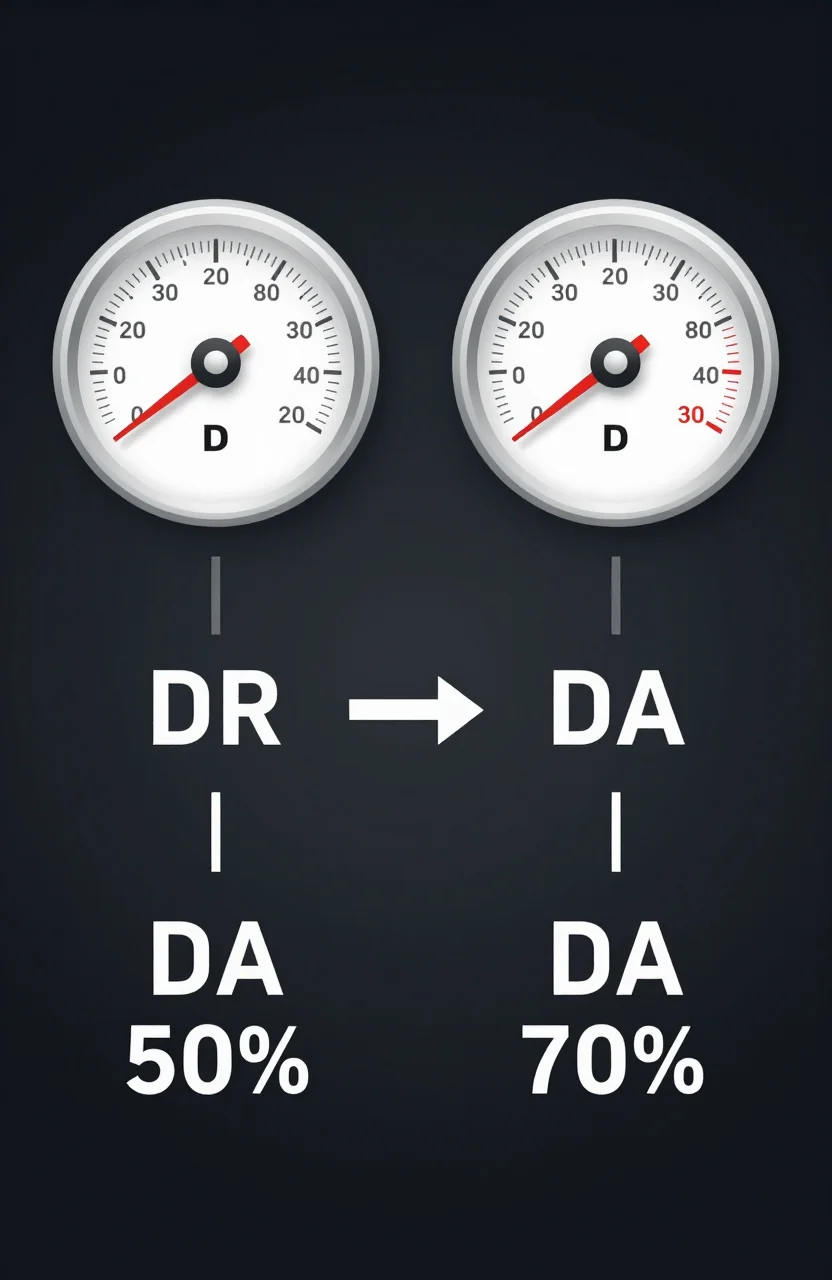
Domain Rating (DR) vs Domain Authority (DA): What's the Difference?
A clear explanation of Domain Rating (DR) versus Domain Authority (DA). Learn who created each metric, how they are calculated, and which one to use when judging backlinks versus ranking potential. Includes a comparison table and practical tips for building a healthy link profile.
Michel Duar
AI Tool Directory List: Best Platforms to Submit Your AI Product
A practical list of the best AI tool directories to submit your product in 2026. Start with ShowMySites for a free dofollow backlink from a DR68+ domain, then expand to Product Hunt, Futurepedia, AlternativeTo, and SaaSHub. Learn how to write a listing that converts and balance dofollow with nofollow traffic.
Michel Duar
Best Free Website Directories to Submit Your Site in 2026
A curated list of the best free website directories to submit your site in 2026. Start with ShowMySites for a free DR68+ dofollow backlink, then expand to Product Hunt, SaaSHub, G2, Crunchbase, and niche communities. Learn how to pick directories that send relevant traffic and real authority.
Michel Duar