
Using Social Media to Find Your First Customers
 Add ShowMySites to preferred sources
Why Social Media Is Key for Finding Your First Customers
When you’re launching a new business, one of the biggest challenges is getting your brand in front of the right people. Social media platforms provide a unique opportunity to connect directly with your potential customers where they already spend a significant amount of their time.
Unlike traditional marketing channels, social media offers immediate access to a vast, diverse audience without the need for a huge upfront investment. Whether you’re a small startup or a solo entrepreneur, platforms like Facebook, Instagram, Twitter, and LinkedIn let you build awareness organically and through paid options tailored to your budget.
Another crucial advantage is the ability to engage in two-way conversations. Rather than broadcasting messages to a passive audience, social media allows you to listen, respond, and build relationships with potential customers. This direct interaction fosters trust and credibility, which are essential when you’re trying to convert early followers into paying clients.
Additionally, social media platforms provide powerful data insights and targeting tools that help you reach people based on their interests, behaviors, and demographics. This means you can focus your efforts on those most likely to be interested in your product or service, maximizing your marketing efficiency from the very start.
Lastly, social media helps you create and showcase social proof. Early customer reviews, testimonials, and user-generated content shared on your profiles can greatly influence others who are considering your offer, making social media a vital channel for building credibility during your initial growth phase.
Building a Strong Profile That Attracts Attention
Your social media profile is often the first impression potential customers have of your business. It needs to clearly communicate who you are, what you offer, and why people should care — all within seconds.
Start by choosing a professional profile picture that reflects your brand. For most businesses, this means using a clear logo or a high-quality photo of the founder or team members. This image should be consistent across all platforms to build brand recognition.
Next, focus on crafting your bio or about section. This is your chance to succinctly describe your value proposition. Use simple, compelling language to explain what problem your product or service solves and who it’s for. Including relevant keywords here can also help your profile appear in searches.
Don’t forget to add a link to your website or landing page. Since social media platforms limit where you can place clickable links, make this one count. Use a link-shortening or link-in-bio tool if you need to showcase multiple links without cluttering your profile.
Consistency in your visual branding matters. Use your brand colors, fonts, and style in cover photos, highlights, and pinned posts to create a cohesive look. This visual identity helps users immediately recognize your content in their feed.
Finally, make use of platform-specific features to enhance your profile’s appeal. For example, on Instagram, create Story Highlights to showcase important content like testimonials, product demos, or FAQs. On LinkedIn, regularly update your professional headline and featured posts to reflect your latest achievements and offerings.
Creating Content That Engages and Converts
Creating content that both captures attention and drives action is essential to turning social media followers into customers. The key lies in understanding your audience’s needs and delivering value in a way that resonates with them.
Start by developing a content strategy that balances informative, entertaining, and promotional posts. Educational content, such as how-to guides, tips, or industry insights, positions you as an expert and builds trust. Meanwhile, entertaining posts like stories, behind-the-scenes glimpses, or lighthearted content humanize your brand and encourage engagement.
When you move into promotional content, make sure it focuses on the benefits and solutions your product or service offers rather than just features. Use clear, compelling calls to action (CTAs) that tell your audience exactly what you want them to do next — whether it’s visiting your website, signing up for a newsletter, or making a purchase.
Visual content is especially powerful. Platforms like Instagram and Facebook prioritize images and videos that catch the eye quickly. Invest time in creating high-quality photos, graphics, or short videos that convey your message effectively. Use captions to add context and encourage interaction through questions or invitations to comment.
Remember to post consistently but prioritize quality over quantity. Posting too often without valuable content can overwhelm or annoy your audience. Instead, focus on delivering posts that spark conversations, encourage sharing, and ultimately build a loyal community.
Finally, leverage user-generated content whenever possible. Sharing testimonials, reviews, or photos from real customers not only provides social proof but also fosters a sense of community around your brand, making new visitors more likely to convert.
How to Use Social Media Advertising to Boost Your Reach
Social media advertising is one of the most effective ways to amplify your message and find your first customers quickly. Unlike organic posts, paid ads allow you to target specific audiences with precision and control your budget from the start.
Begin by defining clear objectives for your ad campaigns. Are you aiming to increase brand awareness, drive traffic to your website, collect leads, or make direct sales? Each goal requires a different ad format and strategy, so clarity here will save time and money.
Next, utilize the advanced targeting options that platforms like Facebook Ads Manager or LinkedIn Campaign Manager provide. You can target people based on demographics (age, gender, location), interests, behaviors, and even lookalike audiences — people similar to your existing customers. This ensures your ads reach the most relevant potential buyers.
Crafting the ad creative is critical. Your visuals and copy must be compelling and aligned with your brand voice. Use strong, action-oriented language and a clear call to action (CTA), such as "Shop Now," "Sign Up Today," or "Learn More." Videos and carousel ads often perform well because they allow you to showcase multiple products or features in a dynamic way.
Set a realistic budget based on your goals and platform recommendations. Start small to test different creatives, audiences, and placements, then scale the ads that perform best. Use the built-in analytics tools to monitor key metrics like click-through rates (CTR), cost per click (CPC), and conversion rates.
Finally, don’t overlook the importance of retargeting campaigns. These ads target users who have already interacted with your brand, such as visiting your website or engaging with your social media profiles, increasing the chances they convert into customers.
Ready to showcase your project?
Join thousands of developers and entrepreneurs who have already listed their websites in our directory. Get discovered by potential users and grow your audience.
Free to list • Instant approval • No hidden fees
Frequently Asked Questions
Why is social media important for finding your first customers?
What should you focus on when building a social media profile?
How can social media advertising help your business?
Related articles
How to Track Whether Directory Listings Actually Send Traffic
Most founders submit to directories and forget them. Here's how to set up UTM tracking, read referral analytics, and build a simple system to measure which listings actually deliver results.
 Michel Duar

How to Boost My Site Without Buying Links or Fake Traffic
Shortcuts like bought links and bot traffic create more problems than they solve. Here is a practical breakdown of white-hat methods that actually build lasting visibility for your site.
Michel Duar

What a "Good" Domain DR Looks Like for a New Site (Month 1 to 6)
What counts as a good Domain Rating depends on site age. Use realistic month 1 to 6 checkpoints instead of comparing a new domain to mature brands.
Michel Duar

Directory-List vs Directory Browse: How to Use Both on ShowMySites
Directory List and Directory browse are not the same page in different clothes. Learn when to scan fast, when to explore, and how both help you research and launch on ShowMySites.
Michel Duar
What Is a Web Directory in 2026 (and Why You Should Still Submit Your Site)
A clear explainer on what a web directory is in 2026 and why curated directories still matter for SEO. Learn how modern directories like ShowMySites send relevant traffic and dofollow backlinks from a DR68+ domain, and how to use them without falling for spam farms.
Michel Duar
How to Submit Your Website to Directories for Backlinks (Step by Step)
A step-by-step guide to submitting your website to directories for backlinks in 2026. Start with ShowMySites for a free dofollow backlink from a DR68+ domain, then follow a 7-step process: pick directories, create accounts, write listings, confirm links, track, refresh, and expand. Includes a 30-day plan.
Michel Duar
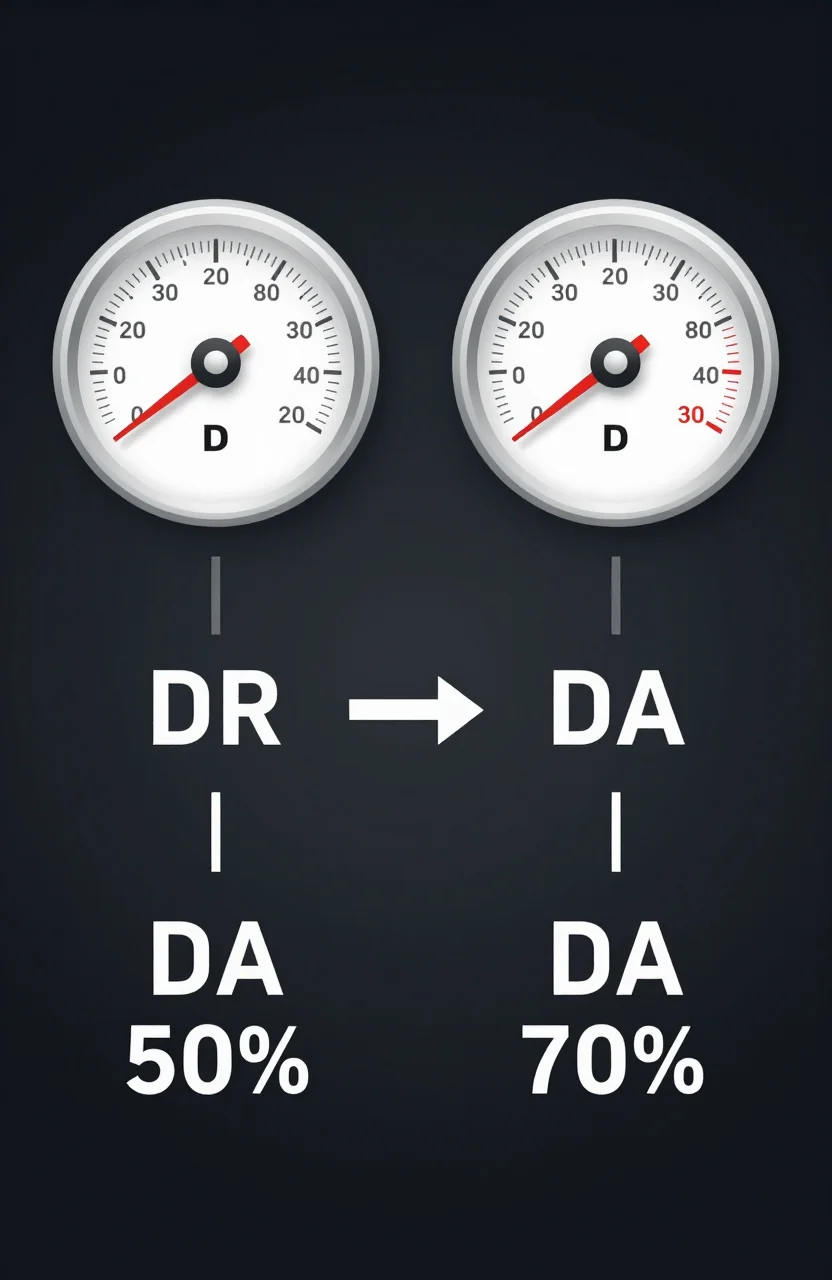
Domain Rating (DR) vs Domain Authority (DA): What's the Difference?
A clear explanation of Domain Rating (DR) versus Domain Authority (DA). Learn who created each metric, how they are calculated, and which one to use when judging backlinks versus ranking potential. Includes a comparison table and practical tips for building a healthy link profile.
Michel Duar
AI Tool Directory List: Best Platforms to Submit Your AI Product
A practical list of the best AI tool directories to submit your product in 2026. Start with ShowMySites for a free dofollow backlink from a DR68+ domain, then expand to Product Hunt, Futurepedia, AlternativeTo, and SaaSHub. Learn how to write a listing that converts and balance dofollow with nofollow traffic.
Michel Duar
Best Free Website Directories to Submit Your Site in 2026
A curated list of the best free website directories to submit your site in 2026. Start with ShowMySites for a free DR68+ dofollow backlink, then expand to Product Hunt, SaaSHub, G2, Crunchbase, and niche communities. Learn how to pick directories that send relevant traffic and real authority.
Michel Duar