
How to Build a Digital Presence for Your Project
 Add ShowMySites to preferred sources
Understanding the Importance of a Consistent Digital Presence
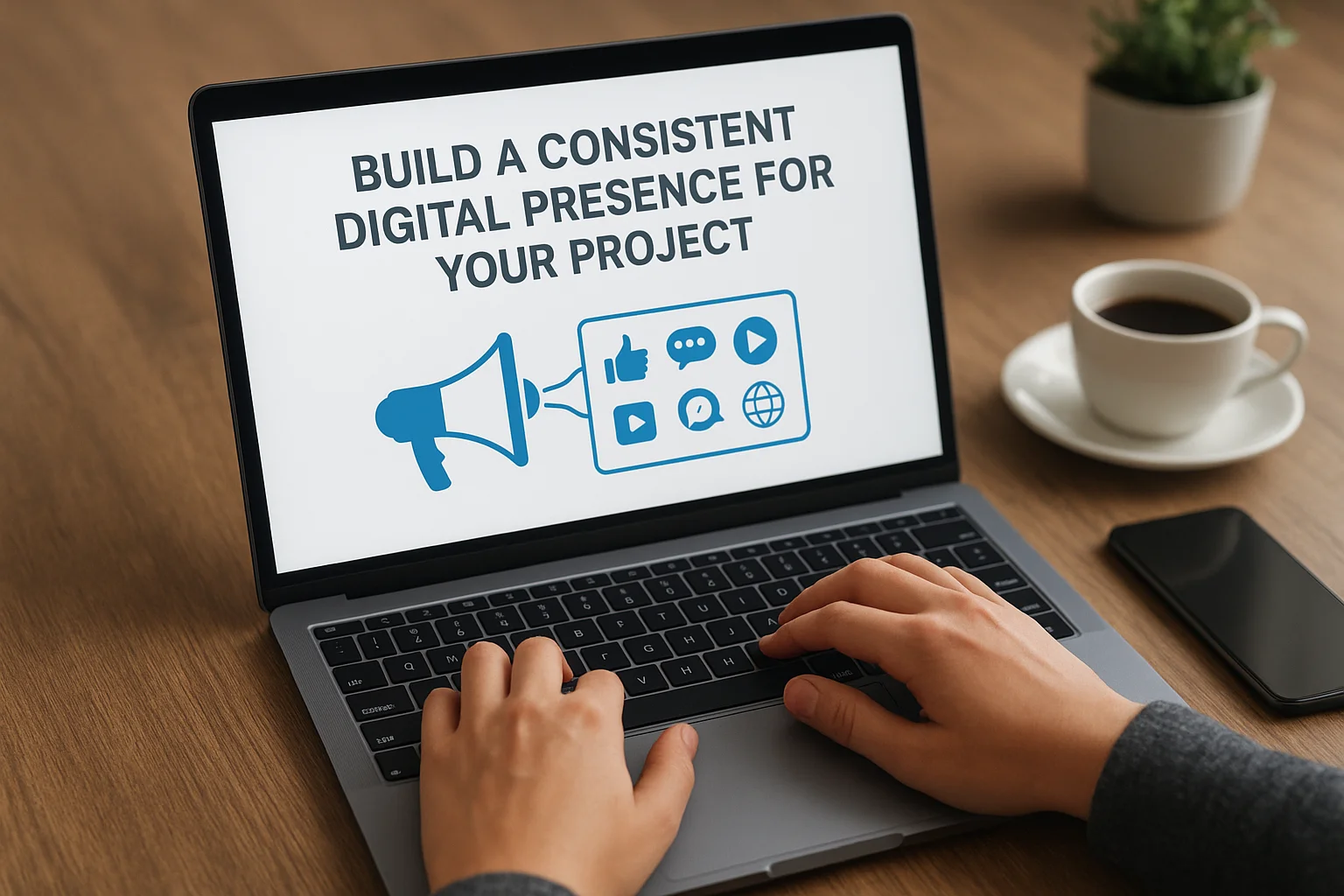
In today's digital world, having a consistent digital presence is more than just a marketing advantage—it's essential for building credibility and trust with your audience. When your project or brand appears uniform across various channels, it sends a clear message that you are professional, reliable, and attentive to detail.
Consistency helps your audience recognize and remember your brand easily. This includes everything from your logo, color scheme, and typography to your tone of voice and the type of content you share. Without this uniformity, your brand risks appearing fragmented or unprofessional, which can confuse potential supporters or customers.
Moreover, search engines and social platforms reward consistency. Maintaining coherent profiles and regularly updated, aligned content can improve your search engine rankings and increase your visibility. This means that a consistent digital presence doesn’t just appeal to your audience, it also helps you get found more easily online.
Another key reason for consistency is building emotional connections. When your messaging is clear and steady, it creates familiarity, which nurtures trust over time. People tend to engage more with brands they feel connected to and that demonstrate authenticity through their digital presence.
Finally, a consistent approach allows you to streamline your marketing efforts. By having well-defined guidelines and clear objectives, you can focus your energy on producing quality content and engaging meaningfully, rather than constantly reinventing your brand’s appearance or messaging across platforms.
Defining Your Brand Identity and Voice
Defining your brand identity is a fundamental step in building a consistent digital presence. Your brand identity is the collection of visual, verbal, and emotional elements that distinguish your project from others. It’s what makes your audience instantly recognize and connect with you.
Start by clarifying your project’s core values, mission, and unique selling points. Ask yourself: What do I want my audience to feel, think, and remember when they interact with my brand? This clarity will guide every decision related to your branding.
Visually, your brand identity encompasses your logo, color palette, typography, imagery style, and any other graphic elements. These should be chosen deliberately to evoke the right emotions and reflect your project's personality—whether it’s professional, playful, innovative, or trustworthy.
Equally important is your brand’s voice, which is the consistent style and tone used in all communications. Your voice can be formal or casual, enthusiastic or calm, authoritative or friendly, but it must always be authentic and aligned with your audience's expectations.
To define your brand voice, consider your target audience’s preferences and needs. For instance, a tech startup might adopt a confident, forward-thinking tone, while a nonprofit might choose a compassionate, community-oriented style. Documenting your voice guidelines—such as preferred vocabulary, sentence structure, and emotional tone—ensures everyone involved in content creation maintains consistency.
By thoughtfully defining both identity and voice, you create a solid foundation that will inform your digital content, marketing campaigns, and interactions, ultimately helping your project stand out and resonate with your audience.
Choosing the Right Platforms for Your Audience
Selecting the appropriate digital platforms is crucial to effectively reach and engage your target audience. Each platform has its own user demographics, content formats, and engagement styles, so understanding where your audience spends their time is essential for maximizing your project's impact.
Begin by researching your audience's preferences and habits. Are they more active on visual platforms like Instagram or Pinterest? Or do they prefer professional networks like LinkedIn? Maybe they engage heavily on Twitter for quick updates or on Facebook for community building. Knowing this helps you prioritize your efforts rather than spreading yourself too thin across every available platform.
Consider also the nature of your content. For instance, if your project involves a lot of visual storytelling, platforms that support rich imagery and videos will be more effective. Conversely, if your strength lies in detailed articles or thought leadership, a blog combined with LinkedIn might be the best choice.
To manage and visualize your presence across multiple platforms, tools like Show My Sites can be incredibly helpful. This service allows you to showcase all your websites and digital channels in one place, providing an easy way for your audience to discover and engage with your entire online ecosystem.
It's also important to evaluate the resources you have available. Maintaining a presence on many platforms can be time-consuming and may dilute your efforts. Instead, focus on a few platforms where you can consistently post quality content and interact meaningfully with your audience.
Finally, keep an eye on platform trends and be ready to adapt. Digital spaces evolve quickly, and new platforms or features may better suit your project’s goals over time. Regularly reassessing your platform choices ensures your digital presence remains relevant and effective.
Creating a Content Strategy That Aligns with Your Brand
Developing a well-defined content strategy is essential to ensure your digital presence communicates your brand’s values and goals effectively. A content strategy is more than just planning what to post; it’s about creating purposeful, valuable content that consistently reflects your brand identity and resonates with your audience.
Start by identifying the key objectives your content should achieve. These can include increasing brand awareness, educating your audience, driving traffic to your website, or encouraging engagement. Having clear goals helps in shaping the type of content you produce and the metrics you will use to measure success.
Next, analyze your audience’s needs and preferences. What challenges do they face? What kind of information or entertainment do they seek? Use this insight to craft content that provides real value—whether through tutorials, case studies, behind-the-scenes stories, or industry insights. Content that solves problems or addresses interests will foster stronger connections and loyalty.
Your content should always align with your brand’s voice and visual identity. For example, if your brand tone is friendly and approachable, your blog posts and social media captions should reflect that with conversational language and relatable examples. Likewise, your visuals should consistently follow your established color scheme and style to reinforce recognition.
Plan a diverse content mix to keep your audience engaged while maintaining coherence. This might include blog articles, videos, infographics, podcasts, newsletters, or social media posts. Each format offers unique opportunities to convey your message and reach different segments of your audience.
Scheduling and consistency are vital. Develop an editorial calendar that maps out what content you will publish, when, and on which platforms. This helps maintain regularity, which builds audience expectations and trust. Use tools like content management systems or social media schedulers to stay organized and efficient.
Lastly, don’t forget to incorporate calls to action (CTAs) strategically within your content. Whether it’s encouraging readers to subscribe, share, comment, or explore your services, CTAs guide your audience toward meaningful interactions that support your project’s growth.
Ready to showcase your project?
Join thousands of developers and entrepreneurs who have already listed their websites in our directory. Get discovered by potential users and grow your audience.
Free to list • Instant approval • No hidden fees
Frequently Asked Questions
Why is a consistent digital presence important?
What should you consider when choosing platforms for your project?
Related articles

Soft-Launch on a Directory Before Your Public Launch Day
Soft-launch on a directory to pressure-test your title, category, and landing page with cold clicks before the big launch push.
 Michel Duar

How to Use Directory Coupons Without Looking Desperate
Directory coupons can lift trials or make your product look needy. Learn when an offer helps, how to phrase it calmly, and when to skip the code.
Michel Duar

List My Site Free: Pre-Submit Checklist That Beats Platform Dumps
A practical pre-submit checklist to list your site free the right way: landing page, proof, category, and an anti-dump ritual that beats spraying every platform.
Michel Duar

Fix the Mismatch Between Your Listing and Landing Page
Getting directory clicks but no signups? The problem is often a promise gap between your listing and your landing page. Here is how to diagnose and close it.
Michel Duar

Screenshots That Sell Your Listing: What to Capture Before You Submit
Directory visitors decide in seconds. This guide covers which screenshots to capture, how to crop for clarity, and what proof shots actually convert before you hit submit.
Michel Duar

Marketplace Directory Listings That Don't Look Like Ads
Most marketplace directory listings read like banner ads. Here is how to write an entry that earns genuine clicks by being specific, honest, and useful - not promotional.
Michel Duar
How Searchers Browse Directories (Write for Discovery, Not Just SEO)
Most founders optimize directory listings for search crawlers, not human browsers. Understanding how real visitors browse - and what makes them click - changes everything about how you write your entry.
Michel Duar

Paid vs Free Directory Listings: When Upgrading Is Worth It
Free directory listings get you listed. But when does a paid tier actually pay off? Here's a framework for deciding when to upgrade based on traffic data and audience fit.
Michel Duar
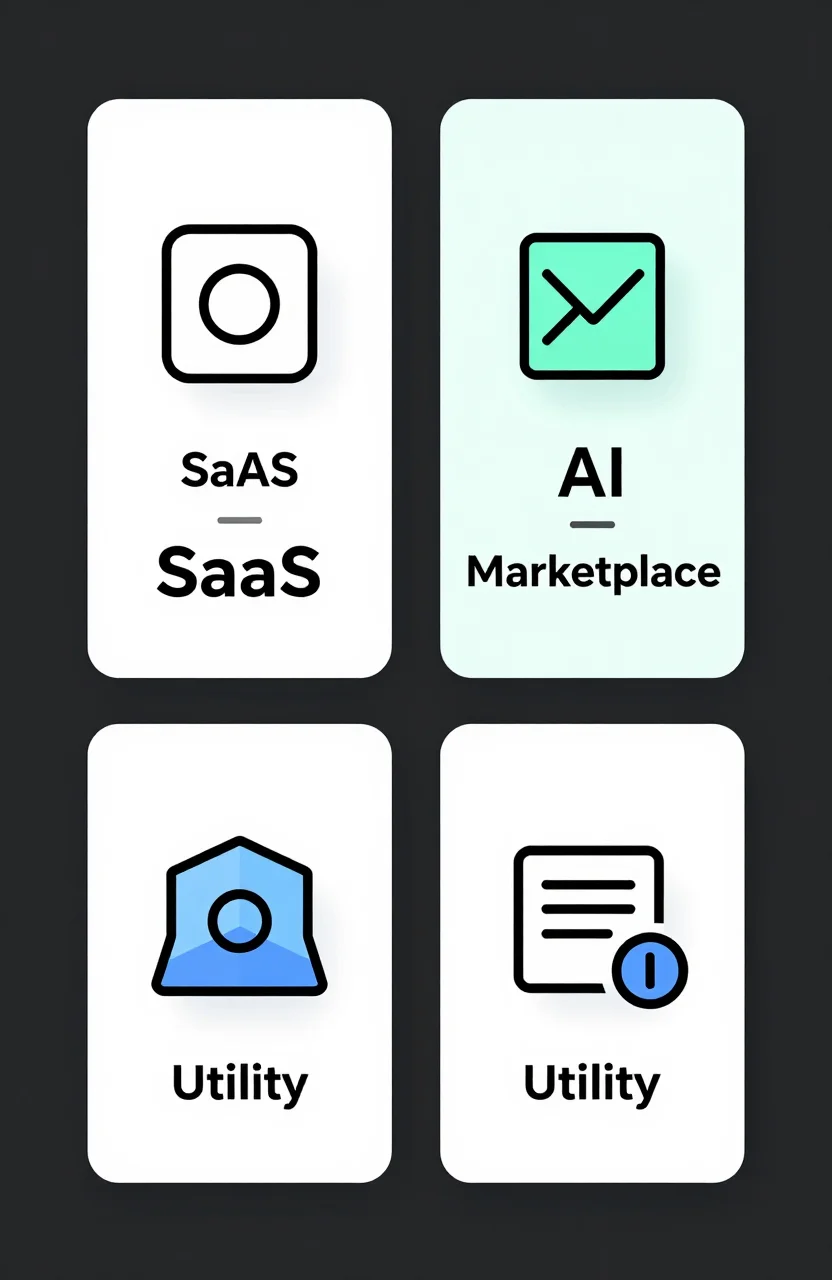
Pick the Right ShowMySites Category: SaaS, AI Tool, Marketplace, or Tool
Choosing SaaS, AI Tool, Marketplace, or Tool on ShowMySites is a shelf decision. Use this decision tree to place your product where the right browsers already look.
Michel Duar