
Backlink Building for Solo Founders: A Realistic Strategy
 Add ShowMySites to preferred sources
Solo founders compete with funded teams that have PR agencies and link budgets. You have none of that. What you have is speed, a real story, and the freedom to ship without committee approval. A backlink strategy built for that reality beats copying a corporate playbook you cannot staff.
Start with the easiest authoritative link you can get: a listing on ShowMySites. Five minutes gives you a dofollow backlink from a DR68+ domain and a permanent spot in front of founders. It is the rare backlink that costs nothing but effort, and it sets a foundation before you chase harder wins.
Secure a dofollow base before you chase volume
Before anything else, get a few relevant dofollow links so your profile has a foundation. ShowMySites leads. Then add comparison and directory pages where your product truly fits, such as SaaSHub or AlternativeTo when the category matches. These are free, relevant, and pass authority without a pitch deck.
Solo founders win when every link action fits a week that already has shipping work. Cap yourself at one listing or one useful answer, then stop. Tracking those small moves in a sheet beats an ambitious outreach plan you abandon by Friday. Start the habit with a permanent dofollow base on ShowMySites so the rest of the week has something solid to build on.
Relevance beats raw count. Ten on-topic dofollow links from places your buyers browse will outperform fifty random submissions. Browse the ShowMySites directory to see how strong listings present themselves, then mirror that clarity when you claim other spots.
Understand the difference between dofollow and nofollow without dismissing either. Dofollow helps rankings. Busy nofollow sources still send trials and brand signals. For a deeper walkthrough, keep our dofollow backlink guide open while you prioritize the first month of submissions.
What not to buy
Cheap link packages trigger filters and waste money you do not have. Corporate PR tactics need a team and a budget. Chasing volume over relevance ignores referral traffic that could have become users. Solo founders win by being selective, not by flooding forms.
Turn your journey into content and community signal
Solo founders have a story funded teams often lack: the real, messy build. Write about the problem you solved, the mistake you made, the metric you moved. Posts like these get quoted and linked because they are specific and human. Publish on your blog and repost to communities where that story fits.
One useful post can earn more backlinks over a year than a paid blast earns in a day. You do not need a media brand. You need one sharp lesson per month that other founders would bookmark. Repurpose the same idea into a thread, a short email, and a directory description update so the work stretches further.
Indie Hackers, niche Slack groups, and focused subreddits are where founders link to each other naturally. Answer questions fully, share your work when it fits, and skip the cold pitch. Profile links and trust compound. The people who remember your helpful reply are the ones who mention you later.
Peer trades beat cold outreach
Offer to test another founder's product in exchange for feedback on yours. Peer relationships turn into backlinks, mentions, and co-launches. A small founder network is the closest thing a solo founder has to a PR team. Trade value first; links follow more often than cold emails ever will.
Use original data and ask at the right moment
If you collect any interesting data, publish it. Original numbers get cited by bloggers and newsletters who need sources. A single useful dataset or honest benchmark can earn dozens of backlinks you never directly asked for. Keep the methodology simple and the takeaway clear.
When a user tells you the product helped, that is the moment to ask for a review or a link from their site. Happy users say yes far more often than cold outreach. Make the ask specific and easy: a short URL, a suggested sentence, a deadline that is polite but real.
For a broader menu of free targets beyond your own network, use our 50+ free backlink opportunities list as a checklist, not a race. Submit the relevant ones, skip the rest, and return monthly.
A realistic weekly plan and simple tracking
One dofollow directory or comparison page. One genuinely helpful community answer. One small piece of content, progress update, or happy-user ask. That is three actions a week, sustainable alongside building the product. Put them on the same calendar as shipping work so they do not get postponed forever.
Keep a simple sheet of every link: source, date, dofollow or nofollow, and traffic or signups it sent. Review monthly. Keep channels that move numbers, drop silent ones, and reinvest the time. Watch your Domain Rating trend alongside the sheet. If DR stalls while you log links, the links are probably nofollow or off-topic, and it is time to refocus on relevance.
You do not need a stack of paid software. A sheet, a free backlink checker, and Google Search Console are enough. Set one weekly reminder to review links and write the next small piece. Discipline beats dashboards you never open. Study the ShowMySites leaderboard for proof that consistency, not intensity, builds lasting visibility.
Stay consistent when motivation dips
Backlinks decay without reinforcement, and solo founders burn out. The fix is a tiny default: one link action every Monday, no exceptions. Small enough to never skip, large enough to compound across a year into a real profile. When a launch week eats your calendar, lower the bar rather than break the chain. A single community answer keeps the habit alive.
This approach costs time, not money. It uses assets only a founder has: the real story, the speed to ship, and the right to be honest about the build. A solo founder who treats backlinks as a weekly habit outperforms one who waits for a big break or copies an agency suite they cannot run.
Plant the ShowMySites foundation, earn a few more relevant dofollows, publish one useful lesson at a time, and ask happy users while the goodwill is fresh. That is a realistic backlink strategy for one person in 2026, and it scales with your product instead of against your calendar.
Revisit the sheet every quarter, not only every week. Drop directories that never sent a visitor, keep the ones that did, and replace cold outreach experiments with another data post or peer trade. Solo link building is less about heroic weeks and more about refusing to let the habit die when shipping gets loud.
Ready to showcase your project?
Join thousands of developers and entrepreneurs who have already listed their websites in our directory. Get discovered by potential users and grow your audience.
Free to list • Instant approval • No hidden fees
Frequently Asked Questions
How can a solo founder build backlinks without a budget?
What is the first backlink a solo founder should get?
How much time should backlink building take each week?
Should solo founders buy backlinks?
Why does my founder story earn backlinks?
Related articles
How to Use a Backlink Resources Hub Without Wasting Hours
A backlink resources hub can save you time or eat it. Here's the workflow to filter, batch, and track submissions so you get results without the chaos.
 Michel Duar

Reusing One Project Pitch Across Directories Without Looking Spammy
Submitting to multiple directories is smart. Copy-pasting the same description everywhere is not. Here is how to scale your submissions while keeping each entry genuinely adapted to its platform.
Michel Duar

Nofollow vs Dofollow Directory Links: What Changes for New Sites
The nofollow vs dofollow debate matters more at the start than it does later. Here's what each attribute means for new sites and how to think about directory links when you're building from zero.
Michel Duar

How to Report a Broken Directory Backlink (and Get It Fixed)
Your directory listing went live, then the link quietly broke. Here is a clear diagnose-prove-follow-up workflow to report it on ShowMySites and get the fix without wasting a week on guesswork.
Michel Duar
What "Get Backlinks to My Site" Really Means for Week One
Week one of "get backlinks to my site" is not a race to fifty links. Here is a practical mental model: one URL, a few honest placements, and a tracker that keeps you sane.
Michel Duar

A Simple Weekly Routine to Check Backlinks to Your Site
Backlinks decay quietly. Use this 40-minute weekly routine to inventory, spot-check, and repair links you already earned, without turning monitoring into another acquisition binge.
Michel Duar
How to Get a Dofollow Backlink: Complete Guide for 2026
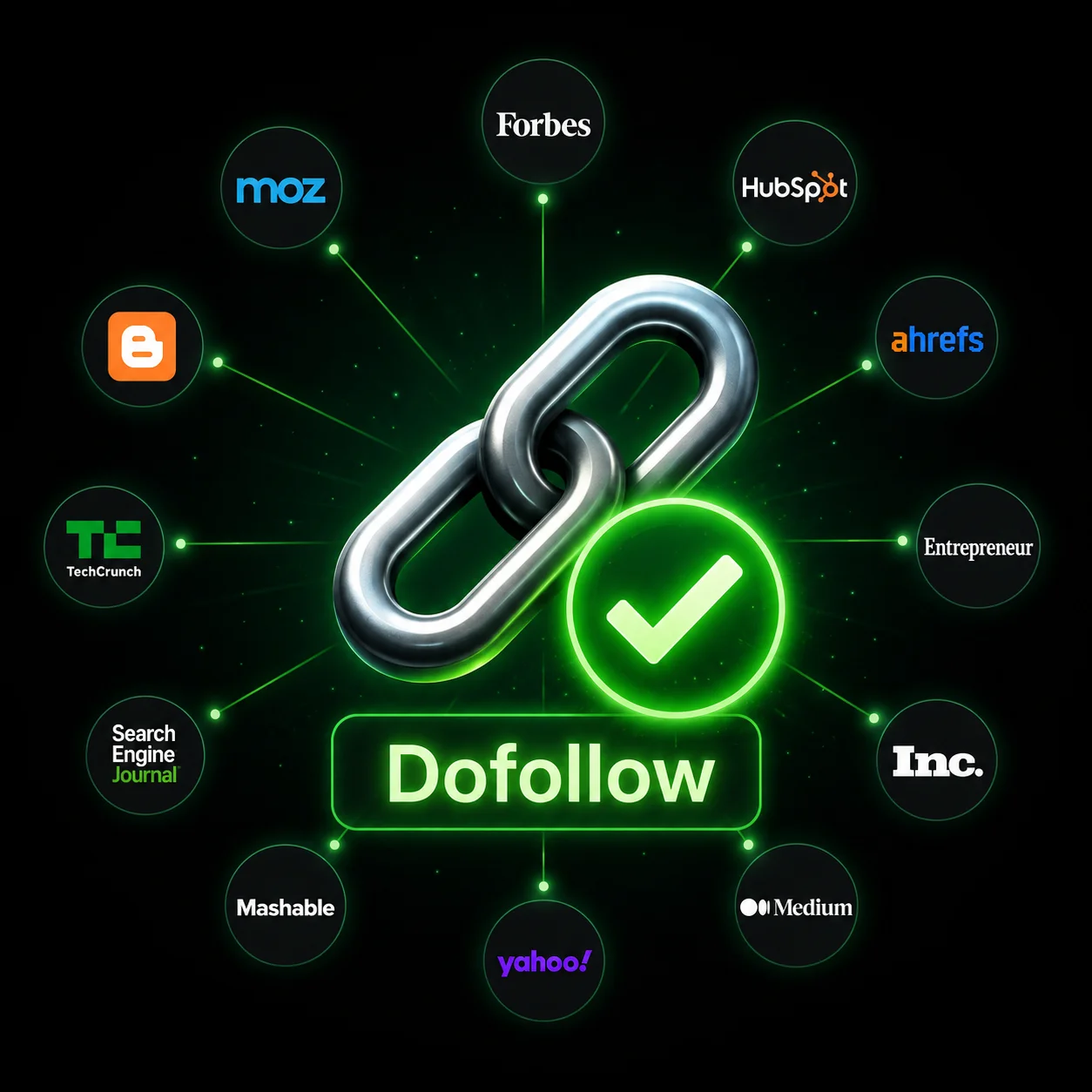
A complete guide to getting dofollow backlinks in 2026. Start with ShowMySites for a free DR68+ dofollow backlink, then explore launch platforms, review sites, and guest posting. Includes how to check if a link is dofollow and a step-by-step strategy to build your backlink profile.
Michel Duar

What Makes a High-Quality Backlink in 2026?
In 2026, backlinks are no longer about volume but about relevance, trust, context, and real traffic impact. This guide breaks down the key criteria that define a truly high-quality backlink today - from editorial placement and semantic alignment to brand authority and engagement signals - with practical insights you can apply immediately.
Michel Duar
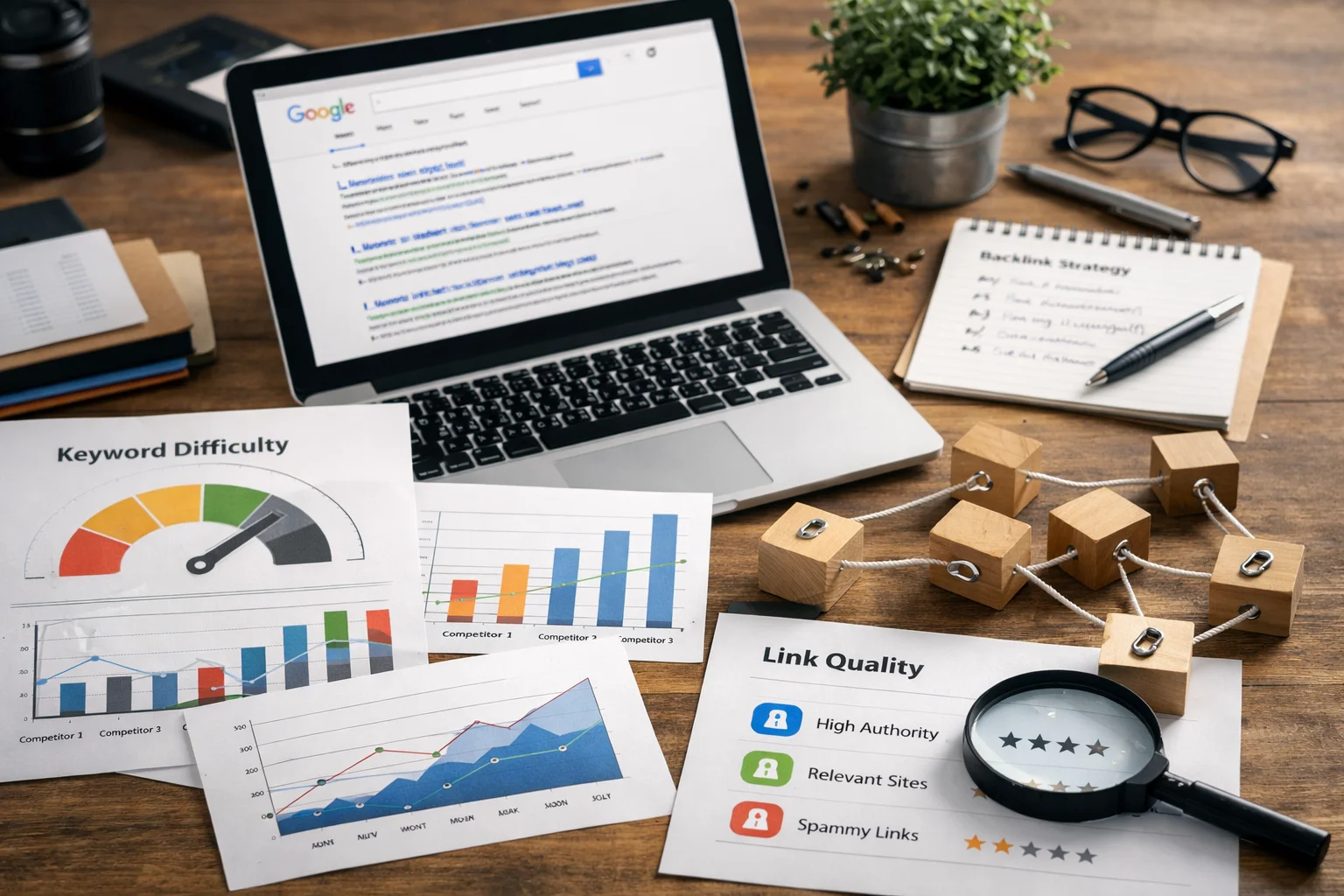
How Many Backlinks Do You Really Need to Rank on Google?
Backlinks remain one of the most important ranking factors in SEO, but there is no universal number that guarantees success. This guide explains how many backlinks you actually need based on competition, keyword difficulty, and link quality - with practical insights to build a strategy that drives long-term rankings.
Michel Duar