
A Simple Weekly Routine to Check Backlinks to Your Site
 Add ShowMySites to preferred sources
Most backlink advice is about getting more. Fewer people talk about keeping what you already earned. Links rot. Directories change URLs. Partners redesign and drop your mention. If you only acquire and never check, your "profile" is a museum of dead hrefs.
This is a monitoring routine, not an acquisition list. You will not find fifty new places here. You will find a weekly habit that catches breakage, attribute changes, and junk before they quietly erase last quarter's work. Keep backlink resources for learning and expansion. Use this article for the calendar block that protects the links you already have.
Why a weekly check beats a quarterly panic
Link decay is gradual until it is sudden. One week a listing works. The next week it 404s after a CMS migration you never heard about. If you only audit when rankings drop, you are always late.
A weekly pass is small on purpose. Thirty to forty-five minutes is enough for most early-stage sites. The goal is signal, not a full forensic crawl every Sunday.
What weekly monitoring catches early:
- Destination mismatches after you changed paths
- Directory listings that disappeared or lost the href
- Rel attribute surprises (follow expectations vs what actually shipped)
- Referral traffic cliffs that point to a specific dead source
What it should not become: a second full-time job, a vanity metrics ritual, or a reason to buy another SaaS you will ignore. If you finish the slot early, stop. Extra time is better spent on product than on refreshing the same five URLs twice.
Build a tiny inventory before you "check" anything
You cannot monitor what you did not write down. If your backlinks live in email threads and screenshots, start with a plain inventory.
Minimum columns:
- Source page URL (where the link lives)
- Destination URL (where it should send people)
- Date found or earned
- Status (live, broken, redirected, removed)
- Notes (contact, ticket ID, "nofollow," "login wall")
Pull the first rows from places you control and remember: ShowMySites listing, profiles, guest mentions, partner pages. Add new rows the same day you earn something new. Future you will not remember the Slack message.
If you do not have a ShowMySites account yet, sign up so project-linked reports and updates stay attached to the right site. Monitoring without ownership clarity gets messy once you run more than one property.
Keep the inventory in whatever you already open daily: a spreadsheet, a Notion table, even a pinned note. Fancy tools are optional. Consistency is not.
The 40-minute weekly routine
Run this on the same weekday when possible. Habit beats intensity.
Minutes 0-10: triage last week's referrals
Open analytics and sort referring sites or landing paths for the last seven days. You are looking for absences and spikes, not perfection. A source that sent visits for a month and went silent deserves a manual click. A new mystery referrer deserves a quality glance before you celebrate.
Minutes 10-25: spot-check priority links
You do not need to click every link every week. Rotate. Each week, deeply check a batch:
- Your top five traffic-sending links
- Your newest five links
- Any link marked "watch" from a previous issue
For each one, click from the source page like a stranger. Confirm the destination, the visible anchor, and whether the page still makes contextual sense. If something fails, mark status immediately. Do not trust memory until Friday.
Minutes 25-35: repair queue
Move broken or suspicious items into a repair list with one next action: update your own redirect, email a webmaster, or file a platform report. On ShowMySites, use the proper issue flow when a directory backlink breaks instead of vague DMs. Keep resources open while you decide whether a placement still deserves effort: backlink resources help you think, the inventory tells you what to fix.
Minutes 35-40: note one quality lesson
Write one line: what you learned about link quality this week. Maybe a high-looking domain sent zero people. Maybe a small blog sent demos. That note trains better acquisition later. For a deeper quality framework when you have time outside the routine, read what makes a high-quality backlink in 2026 or refresh dofollow expectations in the dofollow guide. Do that reading outside the forty-minute block so monitoring stays operational.
What "good enough" status looks like
Your weekly output should be boring and visible:
- Inventory updated with statuses
- Zero silent broken links in the priority batch
- At most a short repair queue with owners and dates
- No new acquisition binge disguised as "checking"
Common failure modes:
- Spending the whole slot hunting new directories instead of verifying old ones
- Only checking homepage mentions while deep URLs rot
- Ignoring soft 404s because "the page loads something"
- Leaving redirects that point to irrelevant campaign pages after a launch
If your site changed IA this week, temporarily expand the routine: search your inventory for old paths and test them first. Deploy weeks are when directories fall behind. A fifteen-minute extra pass after a migration saves a month of confused analytics.
Keep monitoring separate from growth sprints
Acquisition sprints and monitoring routines fight for the same calendar. If you mix them, monitoring loses. Block them apart. Tuesday check. Thursday outreach. Different documents if needed.
When a check reveals systemic issues (half your directory links used an old domain), pause new submissions until the canonical URL is stable. Adding more links to a moving target multiplies repair work.
Also decide a kill rule. Not every broken link deserves a rescue mission. If the source page is spammy, irrelevant, or embarrassing, remove it from your active inventory and stop caring. Monitoring is about protecting useful equity, not hoarding every URL that ever mentioned you.
A simple weekly routine will not make headlines. It will keep your backlink story truthful: live links, clean destinations, and a repair habit you can sustain. Use resources to learn, sign up so your projects stay organized, and judge quality with standards you revisit on purpose. That is how you check backlinks to your site without turning SEO into a panic hobby.
Ready to showcase your project?
Join thousands of developers and entrepreneurs who have already listed their websites in our directory. Get discovered by potential users and grow your audience.
Free to list • Instant approval • No hidden fees
Frequently Asked Questions
How long should a weekly backlink check take?
What should I track in my backlink inventory?
Should I hunt for new backlinks during the weekly check?
Do I need to fix every broken backlink I find?
Related articles
How to Use a Backlink Resources Hub Without Wasting Hours
A backlink resources hub can save you time or eat it. Here's the workflow to filter, batch, and track submissions so you get results without the chaos.
 Michel Duar

Reusing One Project Pitch Across Directories Without Looking Spammy
Submitting to multiple directories is smart. Copy-pasting the same description everywhere is not. Here is how to scale your submissions while keeping each entry genuinely adapted to its platform.
Michel Duar

Nofollow vs Dofollow Directory Links: What Changes for New Sites
The nofollow vs dofollow debate matters more at the start than it does later. Here's what each attribute means for new sites and how to think about directory links when you're building from zero.
Michel Duar

How to Report a Broken Directory Backlink (and Get It Fixed)
Your directory listing went live, then the link quietly broke. Here is a clear diagnose-prove-follow-up workflow to report it on ShowMySites and get the fix without wasting a week on guesswork.
Michel Duar
What "Get Backlinks to My Site" Really Means for Week One
Week one of "get backlinks to my site" is not a race to fifty links. Here is a practical mental model: one URL, a few honest placements, and a tracker that keeps you sane.
Michel Duar
Backlink Building for Solo Founders: A Realistic Strategy
A backlink strategy built for solo founders with no budget or PR team. Start with ShowMySites for a free DR68+ dofollow backlink, then use your real founder story, communities, peer trades, and original data to earn links. Includes a sustainable weekly plan and mistakes to avoid.
Michel Duar
How to Get a Dofollow Backlink: Complete Guide for 2026
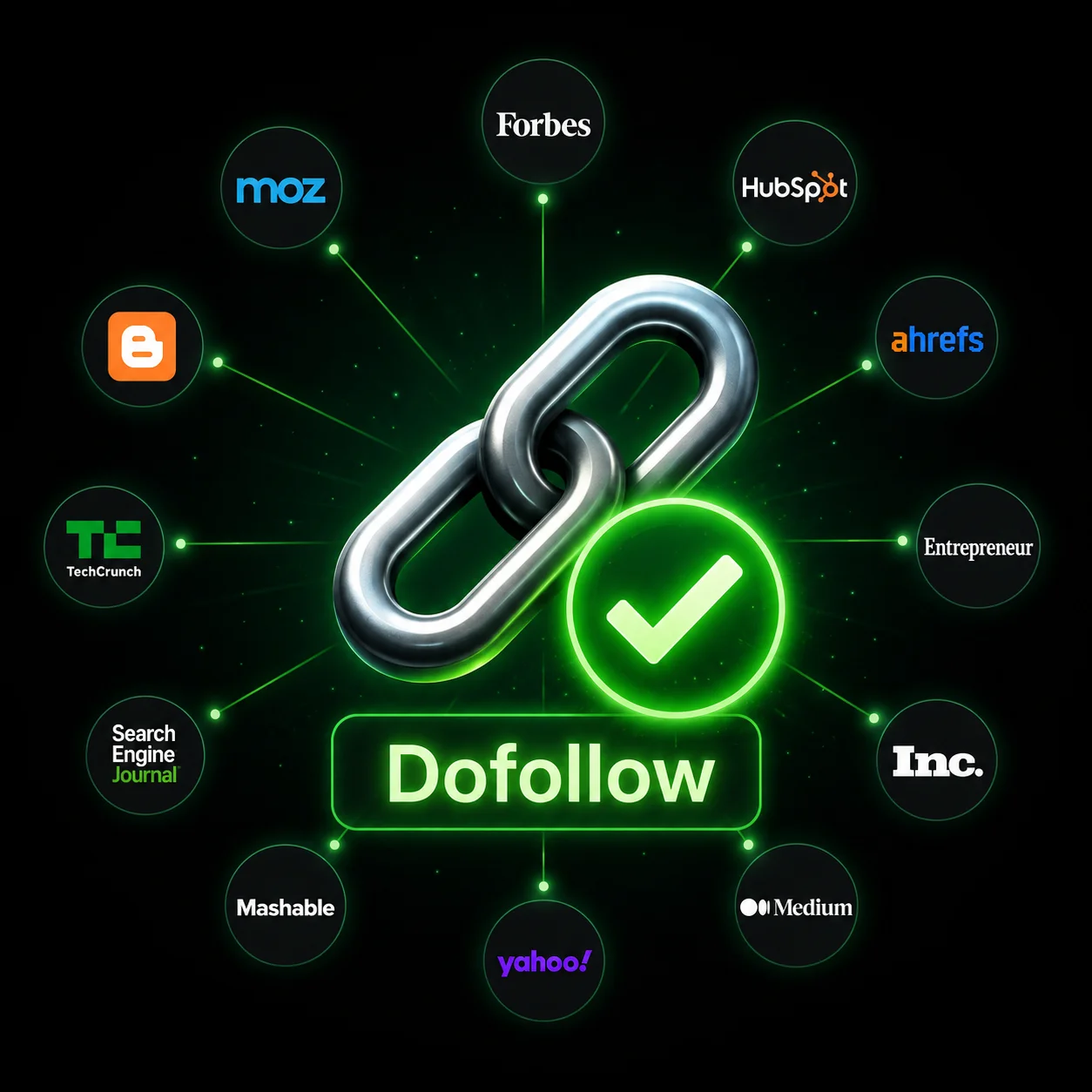
A complete guide to getting dofollow backlinks in 2026. Start with ShowMySites for a free DR68+ dofollow backlink, then explore launch platforms, review sites, and guest posting. Includes how to check if a link is dofollow and a step-by-step strategy to build your backlink profile.
Michel Duar

What Makes a High-Quality Backlink in 2026?
In 2026, backlinks are no longer about volume but about relevance, trust, context, and real traffic impact. This guide breaks down the key criteria that define a truly high-quality backlink today - from editorial placement and semantic alignment to brand authority and engagement signals - with practical insights you can apply immediately.
Michel Duar

How Many Backlinks Do You Really Need to Rank on Google?
Backlinks remain one of the most important ranking factors in SEO, but there is no universal number that guarantees success. This guide explains how many backlinks you actually need based on competition, keyword difficulty, and link quality - with practical insights to build a strategy that drives long-term rankings.
Michel Duar