
Personal Website Listings That Don't Look Like Empty Portfolios
 Add ShowMySites to preferred sources
Open a directory category for personal sites and you will see the same pattern on repeat: a name, a vague job title, and a one-line bio that could belong to anyone. Visitors bounce. You get a listing that looks "complete" on paper and empty in practice.
A personal website is not a SaaS product page. You are not selling seats. You are asking a stranger to care about your work, your story, or your craft. That needs different copy. If you want to see how strong listings already look in this lane, start on the personal website category, then rebuild yours with the same level of clarity.
Why personal listings fail before anyone clicks
Empty portfolios usually fail for three boring reasons. First, the title is a role label instead of a promise. "Designer" or "Full-stack developer" tells people your job, not why they should open the site. Second, the description lists tools instead of outcomes. Nobody wakes up wanting to meet "React + Figma + Notion." They want to know what you build, for whom, and what changed.
Third, the listing tries to sound like a startup. Words like "scalable," "disrupt," or "all-in-one platform" feel wrong on a personal site. Readers sniff that mismatch in a second. Keep the tone human. Write like you would introduce yourself at a meetup after one coffee, not like a pitch deck slide.
Before you rewrite anything, browse a few peers in the directory browse view. Notice which cards you actually click. It is almost always the ones with a specific person, a clear craft, and one concrete proof point.
Write a title and short bio that sound like a real person
Your title should answer one question: what do you do for whom? Good patterns look like "Portfolio site for freelance UX designers who rebuild SaaS onboarding" or "Personal site of a photographer covering indie music tours." Bad patterns look like "John Smith - Creative Professional" or "My Personal Website."
Keep the bio under a few sentences. Lead with the work, not the tools. Say what you ship, where people find you, and what makes your approach distinct. If you freelance, name the kind of client you help. If you publish writing, name the topics. If you ship side projects, name one that already has users or a lesson worth sharing.
Avoid filler adjectives. "Passionate," "results-driven," and "world-class" waste space. Replace them with one proof: a launch, a client type, a city, a niche, or a number you can defend. Proof does not need to be huge. "Helped 12 local shops redesign their booking pages" beats "transforming digital experiences" every time.
A simple copy checklist before you submit
- Title names a craft plus an audience or niche
- First sentence says what a visitor will see on the site
- One line of proof sits above any tool list
- No SaaS pitch language unless you truly sell a product
- Link destination matches the promise (home, selected work, or about)
When the draft feels ready, create the listing from your websites create flow or start with an account signup if you are new. Fill every field like a human will read it, because they will.
Proof beats polish: what to show without faking scale
Personal sites get judged on honesty. If you only have three case studies, show three strong ones. If your best work is a newsletter archive, say that. Directory visitors are not investors looking for ARR. They are people hunting for a person worth following, hiring, or bookmarking.
Use your description to set expectations for the page they will land on. If the homepage is a grid of projects, say so. If it is a long essay about your practice, say so. Surprise is expensive. Alignment builds trust.
Screenshots and thumbnails matter too. Pick a frame that shows real content: a project layout, a writing index, a photo series, a contact path that looks intentional. Avoid empty hero sections with giant whitespace and a logo. That visual reads as "site under construction," even when the rest of the site is fine.
If a stranger cannot explain what you do after reading your listing once, the listing is not ready.
Also match the category honestly. Personal website is the right home when the site represents you as a person or freelancer. If the site is mainly a product with pricing and feature bullets, it belongs in another lane. Wrong category placement is one of the fastest ways to look like spam, even with decent writing.
Common SaaS habits to drop from personal listings
Founders who also keep a personal site often paste product copy into the personal listing. That creates a weird hybrid: half human, half brochure. Drop the feature grids. Drop the "book a demo" energy unless the personal site truly sells consulting with a clear offer.
Another habit is keyword stuffing for roles you no longer want. If you left agency work two years ago, stop leading with agency language. Your listing should reflect the work you want next, not every title you have ever held.
Finally, do not hide behind a brand name if the page is actually about you. Personal category browsers expect a person. If your domain is branded, open the description with your name and role so the mismatch does not confuse people.
Keep the listing alive after the first publish
Empty portfolios often start decent and then rot. You ship new work, change niches, or move cities, and the listing still talks about last year's freelancing offer. Set a calendar reminder every quarter. Update the title if your focus shifted. Swap the proof line. Refresh the screenshot.
Treat the listing like a storefront window, not a tombstone. When someone finds you through the personal website category, they should land on a version of you that still exists. That single habit separates listings that get quiet clicks from listings that get messages.
If you want more structure for how to show a project online beyond directory fields, pair this guide with how to present your project online for maximum impact. Use that for the site itself, and use this article for the directory card that sends people there.
Personal listings work when they feel specific, current, and human. Skip the empty portfolio voice. Write the version of yourself that a curious stranger would actually want to meet.
Ready to showcase your project?
Join thousands of developers and entrepreneurs who have already listed their websites in our directory. Get discovered by potential users and grow your audience.
Free to list • Instant approval • No hidden fees
Frequently Asked Questions
What should a personal website listing title include?
Should I use SaaS-style copy for a personal site listing?
How often should I update my personal listing?
Where do I create a personal website listing on ShowMySites?
Related articles

When Your Directory Listing Gets Rejected (and How to Resubmit Cleanly)
A rejection is usually a punch list, not a dead end. Here is how to decode the message, fix the listing, and resubmit cleanly on ShowMySites.
 Michel Duar

How to Climb a Directory Leaderboard Without Gaming the System
Want to climb a directory leaderboard the right way? Fix your listing, pick a fair lane, earn real engagement, and run a weekly rhythm that compounds without fake votes.
Michel Duar

Choose a Username That Helps Discovery (Not Just Looks Cool)
Your directory username is more than a nickname. Learn how to pick a handle people can find, pronounce, and share so discovery does not die at signup.
Michel Duar

Mobile App Directory Listings: What Founders Get Wrong
Mobile app directory listings fail when they borrow website habits. Fix store links, device screenshots, and category traps before you submit.
Michel Duar
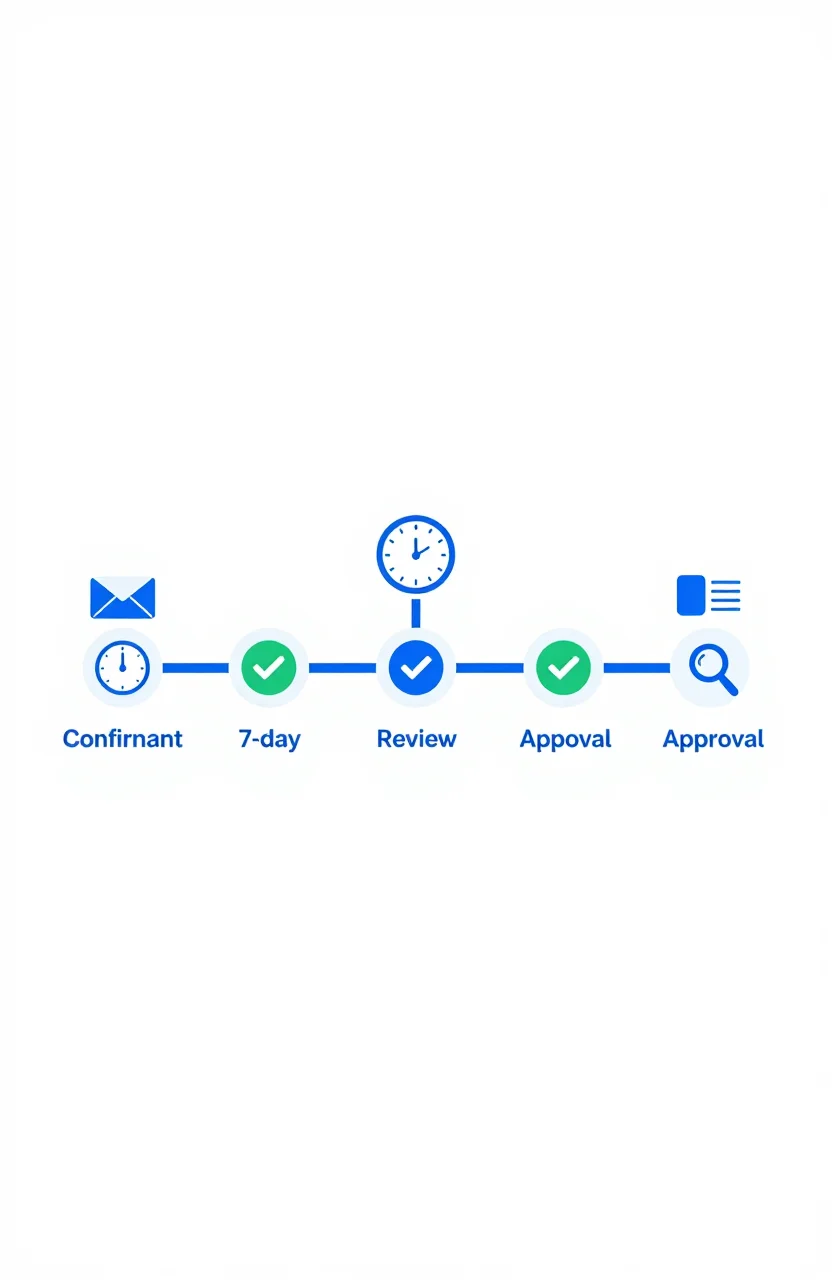
What Happens After You Submit: First 7 Days on a Directory
Most submission guides stop at the submit button. Here's what actually happens in the first 7 days after you submit your site to a directory - moderation, approval, indexation, and what to check.
Michel Duar
Should You List Multiple Projects Under One Account?
Managing more than one project raises a practical question: one account or several? The answer depends on your situation, but the considerations are consistent across most directory platforms.
Michel Duar
Why Directory Leaderboards Still Drive Discovery Clicks
Directory leaderboards still drive discovery because people use ranked lists to shortlist projects fast. Learn why that human behavior creates clicks and how to earn them.
Michel Duar
How to Write a ShowMySites Listing That Wins the Click
A ShowMySites listing has a few seconds to win a cold click. Here is how to write titles, short descriptions, and field details that convert skimmers without sounding like slogan soup.
Michel Duar

Project Showcase Platforms: Where to Launch Your Web App in 2026
A comparison of the best project showcase platforms to launch your web app in 2026. Start with ShowMySites for a permanent DR68+ dofollow backlink, then stagger launches on Product Hunt, BetaList, Show HN, and niche communities. Learn how to time launches and what makes them land.
Michel Duar