
Local SEO for Small Projects: A Practical Guide
 Add ShowMySites to preferred sources
Understanding Local SEO
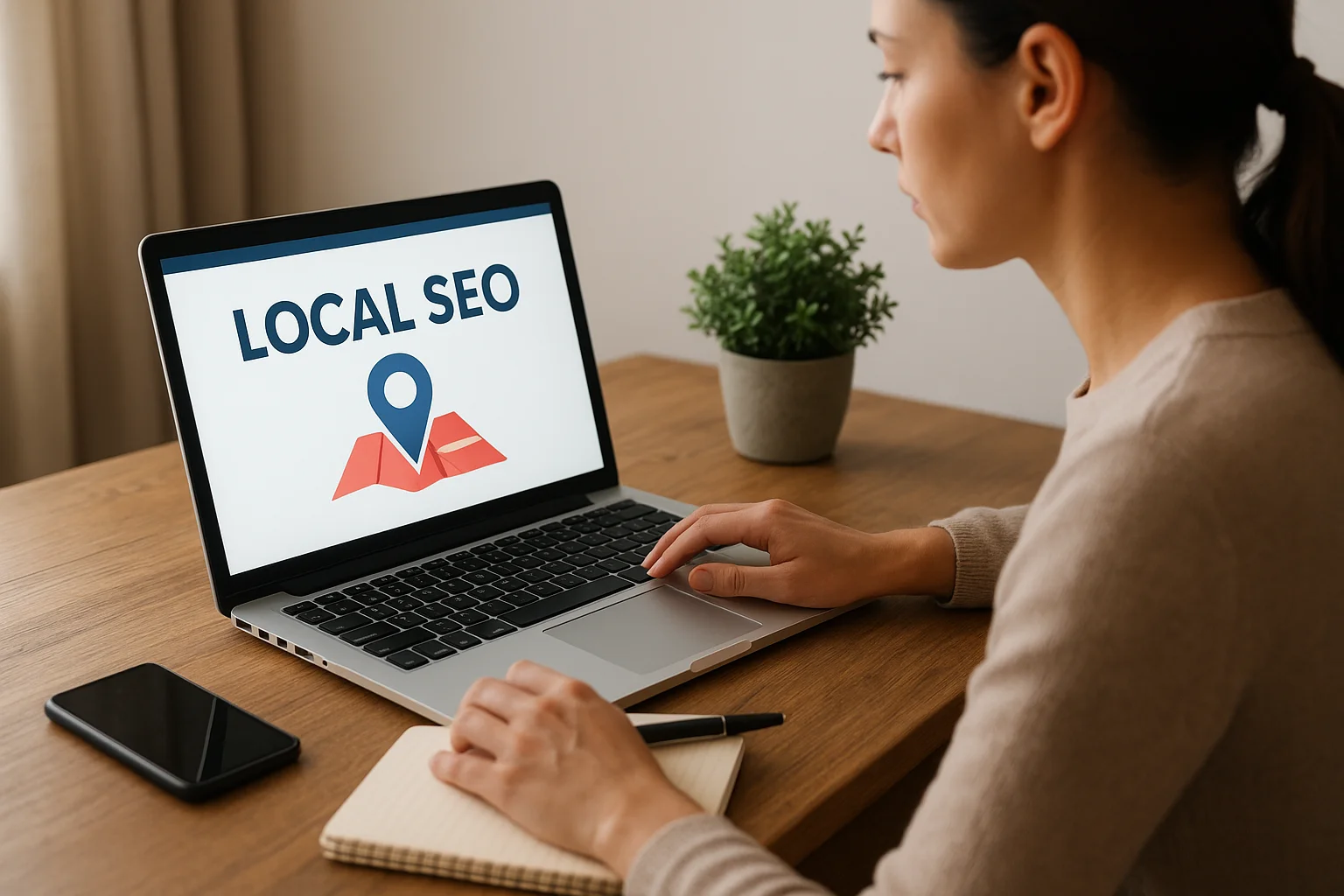
Local SEO is a branch of search engine optimization that focuses on optimizing your online presence to attract more business from relevant local searches. Unlike traditional SEO, which targets a global or national audience, local SEO is all about reaching potential customers in a specific geographic area.
When someone searches for a service or product near their location, search engines like Google use various factors to determine which businesses to display. These factors include the relevance of your content, your distance from the searcher, and the prominence of your business online. Understanding these elements is crucial for small projects that want to compete with larger companies locally.
One of the key aspects of local SEO is understanding search intent. Users conducting local searches usually have a higher intent to take immediate action, such as visiting a store, making a call, or booking an appointment. Optimizing for this intent involves not only keywords but also the type of content you provide, ensuring it directly addresses what local customers are looking for.
Another important component is the concept of NAP consistency — Name, Address, and Phone number. Ensuring that your business information is consistent across all online platforms, directories, and social media channels is essential for search engines to trust your business and rank it higher in local results.
Local SEO also leverages location-specific content. This can include creating pages or blog posts that target specific neighborhoods, cities, or regions, highlighting local events, partnerships, or news relevant to your audience. By doing this, search engines better understand your business’s connection to the local community.
Finally, local SEO considers user behavior signals. This includes clicks, reviews, ratings, and engagement metrics. High engagement from local users can indicate to search engines that your business is relevant and trustworthy, further boosting your visibility in local search results.
Optimizing Google Business Profile
Creating and optimizing your Google Business Profile (GBP) is one of the most impactful steps in local SEO. This free tool allows businesses to manage their online presence across Google Search and Google Maps, ensuring that potential customers can find accurate and up-to-date information.
First, it’s essential to provide complete and precise information about your business. This includes your business name, address, phone number, website URL, and operating hours. Incomplete or inaccurate details can confuse customers and reduce your chances of appearing in local search results.
Adding high-quality photos is another powerful optimization technique. Businesses with images tend to receive more clicks and engagement. Include photos of your storefront, products, team, and any unique aspects of your services to give potential customers a clear visual representation of what you offer.
Selecting the correct categories for your business is crucial. Google uses these categories to determine what searches your business is relevant for. Be as specific as possible to ensure your profile matches the search intent of your local audience. You can also add secondary categories to cover additional aspects of your offerings.
Reviews are a core component of a successful Google Business Profile. Encourage satisfied customers to leave reviews, and make it a point to respond to all reviews, both positive and negative. Engaging with reviews demonstrates trustworthiness and customer care, which can influence both search rankings and user decisions.
Google My Business also allows you to post updates, promotions, and special offers. Regularly posting content not only keeps your profile active but also signals to Google that your business is engaged and relevant. This can increase visibility in local search results.
Finally, monitoring insights within your Google Business Profile provides valuable data. You can track how customers find your profile, actions taken such as calls or direction requests, and which photos or posts generate the most engagement. Using this data to refine your strategy ensures that your GBP continues to drive local traffic effectively.
Keyword Research for Local Search
Keyword research is a critical component of local SEO because it helps you identify the exact terms and phrases potential customers use when searching for products or services in your area. Unlike general SEO, local keyword research focuses on geographically relevant queries that signal intent to purchase or engage.
Start by identifying the core services or products your business offers. For each service, think about how a local customer might phrase a search. For example, instead of just “plumber,” they might search for “emergency plumber in Chicago” or “affordable plumbing services near me”. Including location-specific terms increases the chances of appearing in local search results.
Use keyword research tools to find high-potential search terms. Tools like Google Keyword Planner, Ahrefs, or SEMrush can provide data on search volume, competition, and related terms. Look specifically for keywords with a combination of moderate search volume and lower competition to maximize visibility for a small project.
Another important strategy is to identify long-tail keywords. These are longer, more specific phrases that often indicate higher purchase intent. For example, “vegan bakery open on weekends in Brooklyn” is more targeted than just “bakery,” helping you attract users who are more likely to convert.
Don’t forget to consider local modifiers such as neighborhood names, city districts, or landmarks. These can help your content rank for highly specific searches. For instance, “coffee shop near Central Park” targets a precise area that generic terms would miss.
Finally, analyze the keywords your competitors are targeting in your local area. Look at their website content, meta descriptions, and Google Business Profiles to identify gaps or opportunities. Combining competitor insights with your unique offerings ensures that your keyword strategy is both comprehensive and realistic.
On-Page SEO for Local Projects
On-page SEO is the practice of optimizing individual web pages to rank higher and attract local traffic from search engines. For small projects, this means ensuring that every page on your website is strategically structured to reflect both the services you offer and the location you serve.
Start with the title tags and meta descriptions. Each page should include your primary local keyword along with your city or neighborhood name. For example, a title tag like “Affordable Yoga Classes in Austin | Downtown Studio” tells both users and search engines exactly what and where your services are.
Headings are another critical element. Use H2 and H3 tags to structure content logically, incorporating local keywords naturally. This improves readability and helps search engines understand the main topics of your page.
The body content should be informative, engaging, and locally relevant. Include details about your business’s location, service areas, or nearby landmarks. Adding internal links to other local pages on your website also enhances SEO and helps visitors navigate efficiently.
Images can enhance your on-page SEO if optimized correctly. Include descriptive alt text that contains local keywords, such as “Downtown Austin bakery chocolate cake display”. This improves accessibility and signals relevance to search engines.
URL structure should be simple and descriptive. For instance, a page about your plumbing services in a specific city could use www.yoursite.com/plumbing-chicago. Short, keyword-rich URLs make it easier for both users and search engines to understand the content.
Finally, pay attention to schema markup. Adding LocalBusiness schema helps search engines display rich results, including your business address, hours, and reviews. This structured data can improve your visibility in local search results and attract more clicks.
Local Citations and Directories
Local citations are mentions of your business name, address, and phone number (NAP) on other websites, directories, or platforms. These citations play a crucial role in local SEO because they help search engines verify the existence and legitimacy of your business, which can improve your rankings in local search results.
There are two main types of citations: structured and unstructured. Structured citations appear in recognized business directories like Yelp, Yellow Pages, or industry-specific platforms. Unstructured citations can occur on blogs, local news sites, social media profiles, or any web page where your business information is mentioned.
Consistency is key when creating citations. Your NAP information must be identical across all directories and listings. Even small differences in spelling, abbreviations, or phone formatting can confuse search engines and harm your local SEO performance.
Start by claiming your profiles on major directories such as Google Business Profile, Bing Places, Yelp, and TripAdvisor if applicable. Then, expand to niche or local directories relevant to your industry. This approach not only boosts visibility but also enhances trust signals for search engines.
Adding additional information in citations, like your website URL, business hours, services offered, and images, can further strengthen your local presence. Many directories allow you to enrich your profile with descriptions, categories, and service lists, which helps differentiate your business from competitors.
Regularly auditing your citations is important. Over time, directories may update or create duplicate listings, which can dilute your SEO value. Use tools or manual checks to ensure that all citations remain accurate and consistent.
Finally, while backlinks from local directories can be valuable, the primary benefit of citations is trust and authority in local search. They signal to search engines that your business is established, active, and relevant to the community you serve.
Reviews and Reputation Management
Online reviews have a significant impact on local SEO and customer decision-making. Positive reviews increase trust and authority, while negative reviews, if unmanaged, can harm your reputation and reduce potential leads. For small projects, managing reviews effectively is essential to building credibility in your local market.
Encouraging customers to leave authentic reviews is the first step. You can do this by asking satisfied clients directly, sending follow-up emails, or providing links to review platforms after a purchase or service. Make it as easy as possible for them to share their experiences.
Responding to reviews is equally important. Address both positive and negative feedback promptly and professionally. Thank customers for positive reviews and offer solutions or apologies for negative ones. This demonstrates excellent customer service and shows potential clients that you care about their experience.
Monitor reviews across multiple platforms, including Google, Yelp, Facebook, and industry-specific sites. Consistent monitoring allows you to spot trends, respond quickly, and adjust your business practices if recurring issues arise. Reputation management tools can automate notifications and simplify this process.
Highlighting positive reviews on your website or social media can further enhance trust. Display testimonials with permission, emphasizing the quality of service, professionalism, and local relevance. This not only reinforces your credibility but also contributes to search engine signals that your business is active and valued.
Finally, consider reviews as part of your broader local SEO strategy. Search engines weigh review quantity, quality, and frequency when determining rankings. Businesses with a steady stream of recent, high-quality reviews are more likely to appear in the coveted local pack and attract targeted traffic from users ready to engage.
Ready to showcase your project?
Join thousands of developers and entrepreneurs who have already listed their websites in our directory. Get discovered by potential users and grow your audience.
Free to list • Instant approval • No hidden fees
Related articles
How to Track Whether Directory Listings Actually Send Traffic
Most founders submit to directories and forget them. Here's how to set up UTM tracking, read referral analytics, and build a simple system to measure which listings actually deliver results.
 Michel Duar

How to Boost My Site Without Buying Links or Fake Traffic
Shortcuts like bought links and bot traffic create more problems than they solve. Here is a practical breakdown of white-hat methods that actually build lasting visibility for your site.
Michel Duar

What a "Good" Domain DR Looks Like for a New Site (Month 1 to 6)
What counts as a good Domain Rating depends on site age. Use realistic month 1 to 6 checkpoints instead of comparing a new domain to mature brands.
Michel Duar

Directory-List vs Directory Browse: How to Use Both on ShowMySites
Directory List and Directory browse are not the same page in different clothes. Learn when to scan fast, when to explore, and how both help you research and launch on ShowMySites.
Michel Duar
What Is a Web Directory in 2026 (and Why You Should Still Submit Your Site)
A clear explainer on what a web directory is in 2026 and why curated directories still matter for SEO. Learn how modern directories like ShowMySites send relevant traffic and dofollow backlinks from a DR68+ domain, and how to use them without falling for spam farms.
Michel Duar
How to Submit Your Website to Directories for Backlinks (Step by Step)
A step-by-step guide to submitting your website to directories for backlinks in 2026. Start with ShowMySites for a free dofollow backlink from a DR68+ domain, then follow a 7-step process: pick directories, create accounts, write listings, confirm links, track, refresh, and expand. Includes a 30-day plan.
Michel Duar
Domain Rating (DR) vs Domain Authority (DA): What's the Difference?
A clear explanation of Domain Rating (DR) versus Domain Authority (DA). Learn who created each metric, how they are calculated, and which one to use when judging backlinks versus ranking potential. Includes a comparison table and practical tips for building a healthy link profile.
Michel Duar

AI Tool Directory List: Best Platforms to Submit Your AI Product
A practical list of the best AI tool directories to submit your product in 2026. Start with ShowMySites for a free dofollow backlink from a DR68+ domain, then expand to Product Hunt, Futurepedia, AlternativeTo, and SaaSHub. Learn how to write a listing that converts and balance dofollow with nofollow traffic.
Michel Duar

Best Free Website Directories to Submit Your Site in 2026
A curated list of the best free website directories to submit your site in 2026. Start with ShowMySites for a free DR68+ dofollow backlink, then expand to Product Hunt, SaaSHub, G2, Crunchbase, and niche communities. Learn how to pick directories that send relevant traffic and real authority.
Michel Duar