
How to Use Directory Coupons Without Looking Desperate
 Add ShowMySites to preferred sources
Coupons feel like a shortcut. Put a discount code on a directory listing, watch clicks jump, hope trials follow. Sometimes that works. Sometimes it makes your product look like it needs a bribe to get attention.
Directory audiences are mixed. Some people hunt deals. Others scan for quality signals and treat a loud promo as noise. The craft is knowing when a coupon helps, how to phrase it without sounding frantic, and when to leave it off. If you want the mechanics of the listing itself, start with how to write a ShowMySites listing that wins the click, then layer the offer carefully.
When a directory coupon actually helps
A coupon earns its place when the friction is price, not understanding. Visitors already get what you do. They are comparing plans, delaying signup, or waiting for a reason to try this week instead of next month. In that case a clear, time-bound offer can move a warm visitor over the line.
It also helps when your product has a short evaluation cycle. A tool someone can test in an afternoon benefits more from a first-month discount than a complex B2B platform that needs a security review. If buying needs three stakeholders, a public coupon rarely closes the deal. It may even look odd next to an enterprise pitch.
Use a coupon when:
- You already have a clean free trial or freemium path and the code upgrades value, not confusion
- You are running a real launch window with a real end date
- Your category is crowded and price is part of the decision, not the whole story
- You can honor the code on the site without a messy support thread
Skip the coupon when your listing still explains the product poorly. Discounting a vague promise attracts the wrong crowd and burns trust with the right one. Fix clarity first. Offer second.
Another good moment is a seasonal window your buyers already expect, like back-to-school for education tools or tax season for finance utilities. Expected timing feels planned. Random midweek "flash" language feels needy unless you have a true inventory or capacity reason.
How to phrase the offer without sounding desperate
Desperate copy shouts. Calm copy states terms. Prefer plain language over hype stacks. "20% off the first month with code LAUNCH20 through Friday" beats "HUGE DEAL limited seats act now!!!" every time.
Keep the coupon out of the title unless the title still names the outcome. A title that is only a discount wastes the one line people skim in a directory grid. Put the product win first. Put the offer in the description or a dedicated field if the platform supports it. On ShowMySites, browse current codes on the coupons page so your framing matches how offers already appear in the product.
Tone tips that keep dignity:
- One number, one condition, one end date. Extra clauses read like fine print panic.
- Name who it is for. "For new workspaces" is clearer than "everyone save big."
- Pair the offer with proof. A short outcome line plus a code feels stronger than a code alone.
- Match the landing page language exactly. Different wording between listing and checkout feels bait-and-switch.
If your plan structure is confusing, a coupon will not save it. Visitors who hit a tangled pricing page after a clean promo bounce hard. Align your own product pricing page before you lean on any public plan page such as pricing. The directory offer only works if redemption is boringly reliable.
Watch punctuation and caps. All caps codes are fine. All caps sentences are not. Exclamation marks stack into insecurity. One clear sentence beats three stacked urgency phrases.
When to avoid coupons entirely
Avoid coupons if your brand sells premium calm. Luxury-adjacent tools, high-touch services, and security products often look weaker with a public discount code. The audience reads "cheap" even when you meant "accessible."
Avoid them if you cannot measure redemption. A code with no tracking teaches you nothing and trains visitors to wait for the next sale. Avoid them if you already rotate endless discounts. Habitual promo culture trains buyers to never pay full price and trains directory browsers to ignore your listing until the next flash.
Also pause coupons right after a weak launch. If nobody understands the product, a discount multiplies the wrong signal. Spend that energy on a clearer screenshot, a tighter description, and a landing page that matches the listing. You can always add an offer later when intent is visible in analytics.
If early users already pay full price happily, ask why you need a public code at all. Protecting price integrity can be a stronger directory signal than racing competitors on percent-off banners.
A simple workflow before you publish a code
Write the listing without the coupon. Read it out loud. If it already feels complete, add one offer sentence and stop. If it only works because of the discount, rewrite the base pitch.
Then test redemption yourself on a clean browser profile. Confirm the code applies, the date works, and the success state is obvious. Broken coupons from directory traffic create public frustration faster than almost any other listing mistake.
Finally, decide the kill switch. When the window ends, update the listing the same day. Stale "limited time" language is a credibility leak. Founders who leave dead codes live look careless, not generous.
Document the offer in your internal notes: code, percent or amount, audience, start, end, and where it appears. That tiny habit prevents support chaos when someone finds an old screenshot months later.
When the offer is ready and the site can support it, create or update your website listing with the calm version of the promo. Directory coupons should feel like a helpful nudge, not a fire sale.
Ready to showcase your project?
Join thousands of developers and entrepreneurs who have already listed their websites in our directory. Get discovered by potential users and grow your audience.
Free to list • Instant approval • No hidden fees
Frequently Asked Questions
When does a directory coupon help conversion?
Should the discount go in the listing title?
When should I avoid putting a coupon on my listing?
What makes coupon copy look desperate?
Related articles

List My Site Free: Pre-Submit Checklist That Beats Platform Dumps
A practical pre-submit checklist to list your site free the right way: landing page, proof, category, and an anti-dump ritual that beats spraying every platform.
 Michel Duar

Fix the Mismatch Between Your Listing and Landing Page
Getting directory clicks but no signups? The problem is often a promise gap between your listing and your landing page. Here is how to diagnose and close it.
Michel Duar

Screenshots That Sell Your Listing: What to Capture Before You Submit
Directory visitors decide in seconds. This guide covers which screenshots to capture, how to crop for clarity, and what proof shots actually convert before you hit submit.
Michel Duar

Marketplace Directory Listings That Don't Look Like Ads
Most marketplace directory listings read like banner ads. Here is how to write an entry that earns genuine clicks by being specific, honest, and useful - not promotional.
Michel Duar
How Searchers Browse Directories (Write for Discovery, Not Just SEO)
Most founders optimize directory listings for search crawlers, not human browsers. Understanding how real visitors browse - and what makes them click - changes everything about how you write your entry.
Michel Duar

Paid vs Free Directory Listings: When Upgrading Is Worth It
Free directory listings get you listed. But when does a paid tier actually pay off? Here's a framework for deciding when to upgrade based on traffic data and audience fit.
Michel Duar
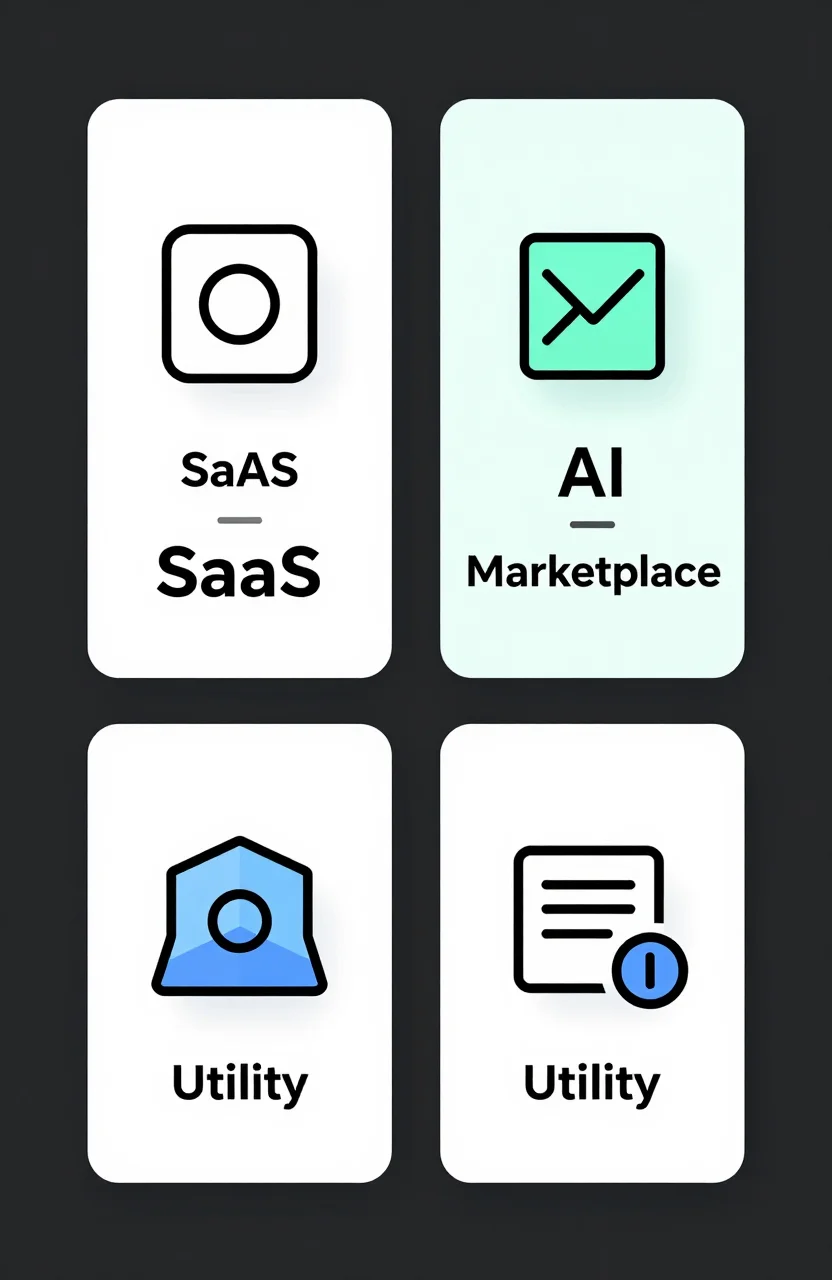
Pick the Right ShowMySites Category: SaaS, AI Tool, Marketplace, or Tool
Choosing SaaS, AI Tool, Marketplace, or Tool on ShowMySites is a shelf decision. Use this decision tree to place your product where the right browsers already look.
Michel Duar
Free Website Promotion Ideas That Aren't Another Platform Dump
Skip another mega list of free platforms. Use listing craft, community habits, and content loops to promote your site in ways people actually notice.
Michel Duar
How to Promote Your SaaS Product for Free (No-Budget Marketing)
A no-budget marketing playbook for SaaS founders. Start with ShowMySites for a free DR68+ dofollow backlink, then use directories, Product Hunt, founder communities, content, and reviews to grow visibility. Includes a weekly routine and mistakes to avoid.
Michel Duar