
Choose a Username That Helps Discovery (Not Just Looks Cool)
 Add ShowMySites to preferred sources
Most founders treat the username step like a nickname form. They type something clever, hit continue, and move on. Weeks later they notice nobody can spell it, search never surfaces them, and the profile link looks like a joke in a pitch deck. If you are about to choose a username for a website directory, this is the decision that sits between signup and every public mention of your project.
This guide is not about writing your product listing. It is about the handle that becomes your directory identity: how people find you, how they type you into search, and how your profile URL looks when someone pastes it into Slack.
Why a cool username often fails discovery
Cool and findable are different jobs. A handle like xlyzr can look sharp on a dark landing page and still die in a directory search box. People searching a website directory type words they remember: product names, category terms, founder names. If your username shares none of those cues, you rely on luck and direct links.
Founders of early SaaS tools learn this the hard way. You launch as LedgerNest, pick lnst_hq because it felt short, then watch teammates misspell it in every intro message. Short is not the same as clear. Clarity wins when someone half-remembers you from a newsletter and tries to find you again.
Directory discovery also compounds. Your username shows up next to your listing, in profile paths, and in social shares. Every place that repeats a hard-to-read string trains people to give up. Every place that repeats a readable one trains people to type it correctly the next time.
What makes a username easy to find and share
Start with pronunciation. If you cannot say the handle out loud without spelling it letter by letter, rewrite it. Directory traffic often starts in conversation: a founder friend says your name on a call, and the listener opens the site later. Spoken clarity is an underrated SEO move for profile handles.
Prefer letters and numbers people already associate with you. If the product is InboxPilot, inboxpilot beats ipilotx. If you ship under your own name for a personal site, a clean surname or first-last combo usually beats a meme reference from 2019.
Avoid lookalike characters. Mixing 0 and O, or 1 and l, creates silent friction. The same goes for stacked underscores, double hyphens, and random suffixes like official123 when a cleaner variant still exists. You are building a handle someone will paste into a browser, not a gamertag for a private server.
- Readable in one glance on mobile
- Easy to type on a phone keyboard without shifting symbols
- Close to your product or founder name
- Free of private jokes that only your team gets
Length matters, but not the way people think. Extremely short handles feel premium until they collide with every other brand. Slightly longer and obvious often outperforms tiny and cryptic. Aim for something you can put on a business card without explaining the joke.
Search behavior inside directories
People search directories the same way they search the open web: partial names, category words, and remembered fragments. If your username contains the same root as your product title, you catch more of those fragments. If it is a pure invention with no overlap, you only rank when someone already knows the exact string.
That overlap also helps when you later write a stronger listing. A clear handle and a clear title reinforce each other. If you want the full playbook for listing copy after signup, use the companion guide on how to write a ShowMySites listing that wins the click.
Brand handle, product handle, or personal handle
You have three common patterns. Pick one on purpose instead of mixing them mid-growth.
Product-first works when the SaaS name is unique and you plan to raise awareness around that name. Example: product ShipQueue, username shipqueue. Investors, users, and directory browsers all hear one word. This is the default for most B2B tools.
Brand studio works when you launch multiple products under one umbrella. A studio named Northline Labs might keep northline as the directory identity and list each product under that profile. Useful if the studio is the lasting asset and products rotate.
Personal founder works for indie makers, consultants, and personal sites where trust sits on a person. If people already know you from Twitter, GitHub, or podcasts, matching that handle reduces cognitive load. Just make sure the personal brand will still feel right if the product pivots.
What fails is switching stories every month: product name in the listing, meme handle in the profile, founder name in the bio. Directory users skim. Give them one primary string to remember.
Test the handle before you lock it
Before you commit on the choose username screen, run a five-minute stress test.
- Say it once to a teammate and ask them to type it from memory.
- Paste the likely profile URL into a blank message and read it cold.
- Search the directory for the root word and see what else appears nearby.
- Check whether the same handle is already how you show up on your main socials.
If two people spell it differently after one hearing, change it. If the URL looks cluttered with symbols, change it. If search returns five unrelated projects with similar strings, lean into a more distinctive root tied to your product.
Also decide what you will do if the perfect name is taken. Adding a meaningful qualifier beats random digits. shipqueueapp or getshipqueue can work when they still read as language. shipqueue_x9 usually does not.
Once you are ready, finish signup with that handle locked in. Changing identity later is possible in some products, but every early share, screenshot, and mention becomes outdated the moment you rename. Treat the first choice as durable.
After you choose: keep the identity consistent
A good username only helps if the rest of your presence agrees with it. Use the same root in your listing title when it fits, in your short bio, and in any outbound mentions. When someone clicks from the directory into your site, they should feel continuity, not a rebrand.
For founders shipping weekly, consistency also saves support time. Users who find you via a directory often reply with screenshots of your profile. If the handle matches what they already saw in a newsletter, they trust the path. If nothing matches, they bounce and assume they found a clone.
Finally, revisit the handle when you rebrand the product, not when you feel bored. Cosmetic username churn burns discovery capital. Discovery compounds when the same string keeps showing up in searches, shares, and return visits. Pick for readability, search, and the profile link you are proud to paste. Cool can come along for the ride once those three are solid.
Ready to showcase your project?
Join thousands of developers and entrepreneurs who have already listed their websites in our directory. Get discovered by potential users and grow your audience.
Free to list • Instant approval • No hidden fees
Frequently Asked Questions
Can I change my directory username later?
Should my username match my product name exactly?
Is a short username always better for discovery?
What should I do before I lock my username at signup?
Related articles

When Your Directory Listing Gets Rejected (and How to Resubmit Cleanly)
A rejection is usually a punch list, not a dead end. Here is how to decode the message, fix the listing, and resubmit cleanly on ShowMySites.
 Michel Duar

How to Climb a Directory Leaderboard Without Gaming the System
Want to climb a directory leaderboard the right way? Fix your listing, pick a fair lane, earn real engagement, and run a weekly rhythm that compounds without fake votes.
Michel Duar

Mobile App Directory Listings: What Founders Get Wrong
Mobile app directory listings fail when they borrow website habits. Fix store links, device screenshots, and category traps before you submit.
Michel Duar
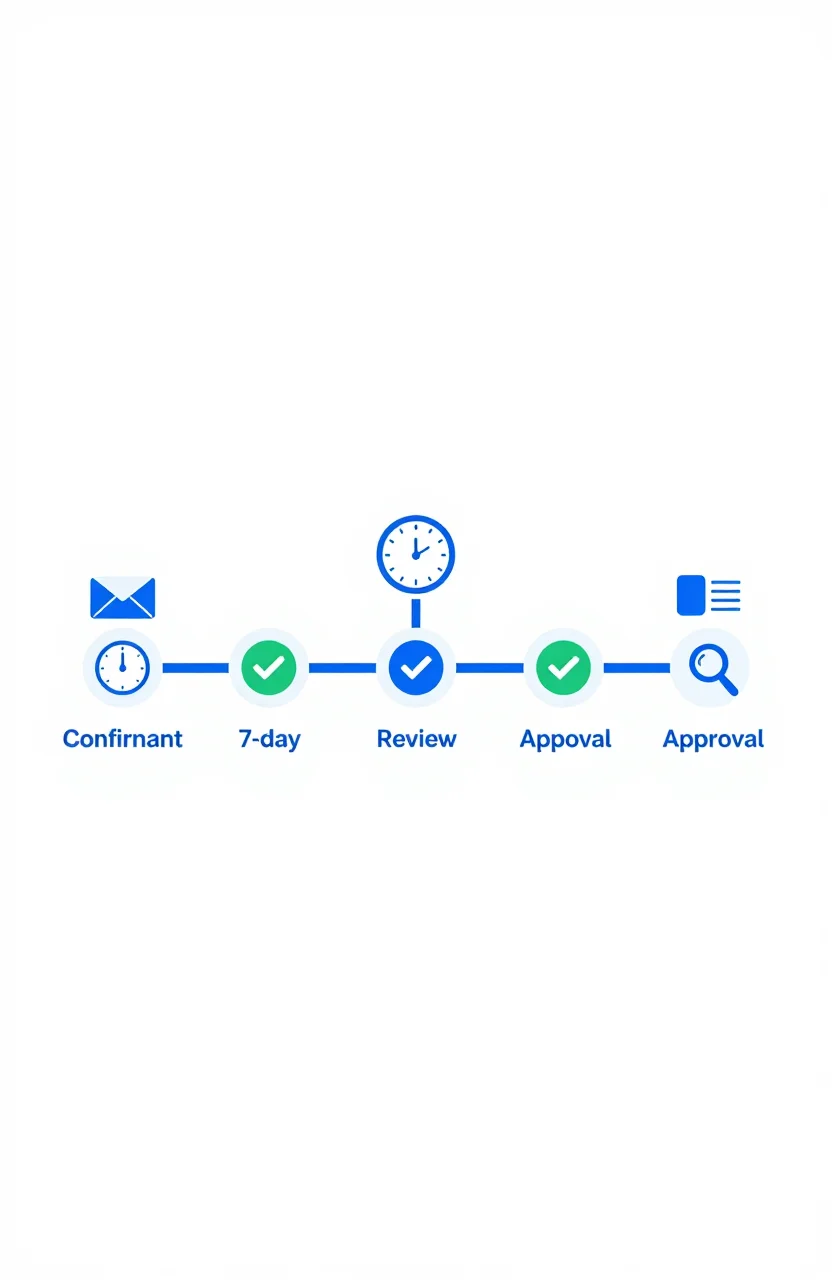
What Happens After You Submit: First 7 Days on a Directory
Most submission guides stop at the submit button. Here's what actually happens in the first 7 days after you submit your site to a directory - moderation, approval, indexation, and what to check.
Michel Duar
Should You List Multiple Projects Under One Account?
Managing more than one project raises a practical question: one account or several? The answer depends on your situation, but the considerations are consistent across most directory platforms.
Michel Duar
Why Directory Leaderboards Still Drive Discovery Clicks
Directory leaderboards still drive discovery because people use ranked lists to shortlist projects fast. Learn why that human behavior creates clicks and how to earn them.
Michel Duar
How to Write a ShowMySites Listing That Wins the Click
A ShowMySites listing has a few seconds to win a cold click. Here is how to write titles, short descriptions, and field details that convert skimmers without sounding like slogan soup.
Michel Duar
Personal Website Listings That Don't Look Like Empty Portfolios
Most personal site listings read like blank portfolios. Learn how to write a human listing for the personal website category that makes people click, trust you, and remember what you do.
Michel Duar

Project Showcase Platforms: Where to Launch Your Web App in 2026
A comparison of the best project showcase platforms to launch your web app in 2026. Start with ShowMySites for a permanent DR68+ dofollow backlink, then stagger launches on Product Hunt, BetaList, Show HN, and niche communities. Learn how to time launches and what makes them land.
Michel Duar