
How to Climb a Directory Leaderboard Without Gaming the System
 Add ShowMySites to preferred sources
Directory leaderboards reward projects people actually notice, click, and come back to. They do not reward the loudest launch-day spike or a weekend of empty votes. If your goal is to climb a directory leaderboard without gaming the system, you need tactics that still look good when a human moderator or a skeptical founder reads your profile.
This is a how-to guide. You will fix the listing, pick the right competitive lane, build a repeatable rhythm, and grow real engagement. No fake traffic scripts. No vote rings. No tricks that get you removed later.
Start with rankable fundamentals, not vanity tactics
Before you stare at ranks, ask whether your listing can win a click today. A weak title and a vague description will stall even if friends visit once. Strong projects rise because strangers understand the offer in seconds.
Rewrite the listing like a landing page above the fold. Name the user, the job to be done, and the proof. If you need a focused pass on copy, follow how to write a ShowMySites listing that wins the click. That work feeds the leaderboard more than any short-term boost.
Then confirm the destination. Your linked site should load fast, match the promise in the listing, and show a clear next step. Leaderboard traffic is curious, not patient. If the first screen apologizes for a coming soon page, you train people to bounce and you teach the ranking signal that your project does not convert attention into interest.
Founders of small SaaS tools often skip this and jump straight to asking for upvotes. That sequence fails. Fix the asset first, then invite attention.
Choose a lane where you can actually move
Every leaderboard has implicit lanes: brand-new tools, growing SaaS, AI utilities, marketplaces, personal sites. Competing as a vague "everything platform" puts you next to projects with bigger budgets and louder audiences. Competing as a sharp tool for a specific workflow gives you a chance to look like the obvious pick in that slice.
Browse the public directory in your category and note what the top few listings emphasize. Are they leading with speed, integrations, price, or niche fit? You do not copy them. You decide where you are honestly stronger, then write for that contrast.
Category choice matters here. A reporting add-on that sits under a bloated "platform" label will look smaller than it is. The same product framed as a focused tool can climb because comparisons become fair. Be precise when you create your website listing so the leaderboard compares you with peers, not with giants in another game.
Cadence beats one dramatic push
Gaming looks like a single burst: fifty friends on Tuesday, silence by Friday. Sustainable climbing looks boring: small weekly improvements, fresh proof, and steady visits from people who had a reason to land there.
Plan a four-week loop. Week one: tighten title and first two sentences. Week two: refresh screenshots or a short demo clip if the product UI changed. Week three: publish one concrete proof point (time saved, customers served, integrations shipped). Week four: share the listing with a community where your product already helps, not a random upvote thread.
That cadence compounds. Leaderboards tend to surface projects that keep earning attention, not projects that borrowed it once.
Earn engagement that would still make sense offline
Real engagement has a story behind it. A designer shares your listing because the tool fixed their handoff pain. A founder bookmarks you after comparing three alternatives. A newsletter mentions you because your update was useful. Fake engagement has no story: identical comments, same-hour votes, traffic that never opens the site.
Ask for support only where context exists. Tell your waitlist why the directory page matters this month. Show customers the listing and ask for an honest visit if the product helped them. Post in communities when you have a specific update, not a naked "please rank us" request.
Respond to feedback you collect from those visits. If three people say the listing underplays your strongest feature, edit it. Leaderboard movement that follows a clearer message is durable. Movement that follows only outreach fades when outreach stops.
- Invite people who already know the product
- Give them a reason tied to a real update
- Make the listing worth the click before you ask
- Ignore tactics that would embarrass you in a customer call
Operate a weekly system founders can keep
Climbing without gaming is mostly operations. Put a thirty-minute block on the calendar each week and treat the leaderboard like a distribution channel you maintain, not a slot machine.
In that block, check your current position on the leaderboard, scan a few peers, and pick one improvement. Maybe the meta description style line is vague. Maybe your category placement is wrong. Maybe your site CTA changed and the listing still sells the old promise. Ship one fix. Log what you changed so you can connect cause and effect later.
Pair this with outbound that matches your stage. Pre-revenue indie makers should lean on niche communities and personal networks. Seed-stage SaaS teams can add customer advocacy and partner shoutouts. Enterprise tools should be careful: a leaderboard bump that brings the wrong audience wastes sales time. Rank is useful only when the visitors look like buyers.
Watch for warning signs that you drifted into gaming territory. If your plan depends on secrecy, purchased clicks, or coordinated empty accounts, stop. Directories eventually notice patterns, and so do potential users who land on a hyped listing with no substance underneath.
Measure progress like a product, not a scoreboard
Rank is a lagging indicator. Leading indicators are clearer: click-through from the listing, time on your landing page, signups attributed to the directory referrer, and qualitative replies from people who found you there. Track those first.
Set a simple goal for thirty days. Example: improve listing clarity, earn a steady trickle of qualified visits, and move up within your category peer set rather than obsessing over global number one. Many founders burn out chasing an absolute top spot when a mid-board position already sends better-fit traffic than their social posts.
When you do climb, protect the gains. Keep the listing current after releases. Revisit screenshots when the UI changes. Update proof points when you cross meaningful milestones. Leaderboards punish stale pages quietly: attention shifts to projects that still look alive.
If you stall, resist panic tactics. Re-read your listing as a stranger. Compare your promise to the top three peers. Ask one friendly customer what felt unclear. Then edit and continue the weekly loop. Climbing without gaming is slower on day one and sturdier on day ninety, which is exactly when directory discovery starts to matter for a real product.
Ready to showcase your project?
Join thousands of developers and entrepreneurs who have already listed their websites in our directory. Get discovered by potential users and grow your audience.
Free to list • Instant approval • No hidden fees
Frequently Asked Questions
What is the fastest legitimate way to climb a directory leaderboard?
Does asking friends to upvote count as gaming?
How often should I update my listing while climbing?
Should I obsess over being number one on the leaderboard?
Related articles

When Your Directory Listing Gets Rejected (and How to Resubmit Cleanly)
A rejection is usually a punch list, not a dead end. Here is how to decode the message, fix the listing, and resubmit cleanly on ShowMySites.
 Michel Duar

Choose a Username That Helps Discovery (Not Just Looks Cool)
Your directory username is more than a nickname. Learn how to pick a handle people can find, pronounce, and share so discovery does not die at signup.
Michel Duar

Mobile App Directory Listings: What Founders Get Wrong
Mobile app directory listings fail when they borrow website habits. Fix store links, device screenshots, and category traps before you submit.
Michel Duar
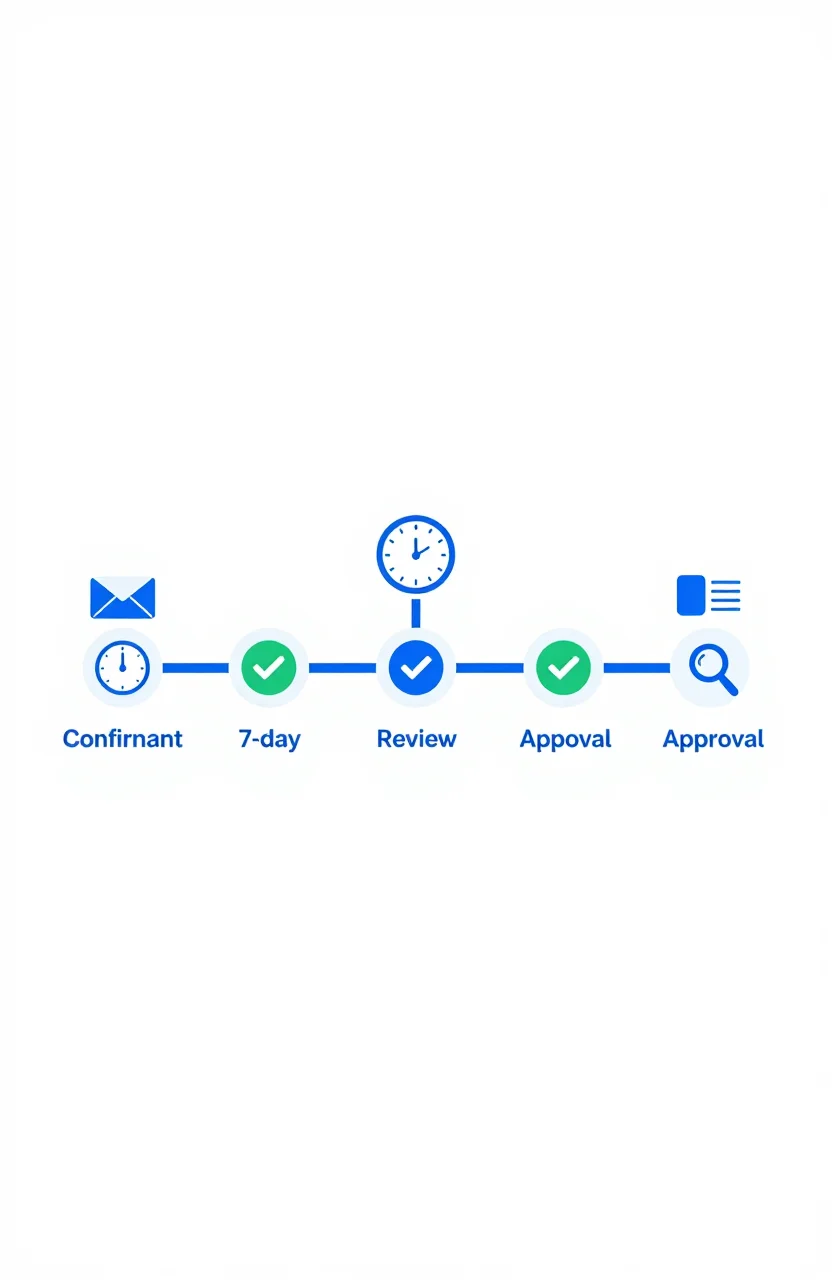
What Happens After You Submit: First 7 Days on a Directory
Most submission guides stop at the submit button. Here's what actually happens in the first 7 days after you submit your site to a directory - moderation, approval, indexation, and what to check.
Michel Duar

Should You List Multiple Projects Under One Account?
Managing more than one project raises a practical question: one account or several? The answer depends on your situation, but the considerations are consistent across most directory platforms.
Michel Duar
Why Directory Leaderboards Still Drive Discovery Clicks
Directory leaderboards still drive discovery because people use ranked lists to shortlist projects fast. Learn why that human behavior creates clicks and how to earn them.
Michel Duar

How to Write a ShowMySites Listing That Wins the Click
A ShowMySites listing has a few seconds to win a cold click. Here is how to write titles, short descriptions, and field details that convert skimmers without sounding like slogan soup.
Michel Duar
Personal Website Listings That Don't Look Like Empty Portfolios
Most personal site listings read like blank portfolios. Learn how to write a human listing for the personal website category that makes people click, trust you, and remember what you do.
Michel Duar

Project Showcase Platforms: Where to Launch Your Web App in 2026
A comparison of the best project showcase platforms to launch your web app in 2026. Start with ShowMySites for a permanent DR68+ dofollow backlink, then stagger launches on Product Hunt, BetaList, Show HN, and niche communities. Learn how to time launches and what makes them land.
Michel Duar