
How to Present Your Project to Potential Investors or Partners
 Add ShowMySites to preferred sources
Understanding Your Audience
Before presenting your project, it is crucial to have a clear understanding of your audience. Investors and potential partners have different priorities, motivations, and decision-making criteria. By tailoring your approach, you increase the likelihood of capturing their interest and securing support.
Research Their Background: Look into the professional history, past investments, and industry experience of the people you will be presenting to. Knowing their previous projects or business interests allows you to align your pitch with what resonates most.
Identify Their Goals: Investors typically seek return on investment, growth potential, and scalability, while partners may focus on strategic alignment, collaboration opportunities, and long-term benefits. Understanding these objectives will help you emphasize the aspects of your project that matter most to them.
Adapt Your Language and Tone: Tailor the way you communicate to match your audience’s familiarity with your industry. For highly technical investors, you can include detailed metrics and technical insights, whereas for non-technical partners, focus on practical outcomes and clear benefits.
Anticipate Questions and Concerns: Consider what doubts or objections your audience might have. By proactively addressing these points in your presentation, you demonstrate preparedness and credibility, which can strengthen trust.
Crafting a Compelling Story
Creating a compelling story is at the heart of a successful presentation. A well-structured narrative helps your audience understand the problem, see the value of your solution, and feel emotionally invested in your project.
Start with the Problem: Clearly define the issue your project addresses. Use real-world examples, statistics, or anecdotes to illustrate the significance of the problem. Making the problem tangible helps your audience grasp why your solution matters.
Present Your Solution: Introduce your project as the answer to the problem. Highlight what makes it unique, innovative, and effective. Be specific about how your solution works and why it is better than existing alternatives.
Show the Impact: Demonstrate the potential outcomes and benefits of your project. Use quantifiable metrics, projected growth, or success stories to reinforce your claims. Investors and partners respond strongly to evidence that your project can deliver measurable results.
Incorporate a Personal or Human Element: Share the story behind the project, including your motivation, challenges faced, or team dedication. Adding a personal touch makes your narrative more relatable and memorable.
Maintain a Clear Structure: Organize your story in a logical flow: problem → solution → impact → call to action. This helps your audience follow along and retain key points. Clarity and coherence are essential to prevent confusion or disengagement.
Use Engaging Language and Visuals: Choose words that are concise, vivid, and persuasive. Incorporate visuals, diagrams, or short examples to complement your story and make abstract concepts easier to understand.
Designing an Effective Pitch Deck
A well-designed pitch deck is a critical tool for communicating your project to investors or partners. It should clearly convey your story, data, and value proposition while keeping your audience engaged.
Keep it Concise: Limit your pitch deck to around 10-15 slides. Each slide should communicate a single idea or concept to prevent overwhelming your audience with too much information.
Focus on Key Elements: Your deck should cover essential topics, including problem, solution, market opportunity, business model, team, financials, and next steps. Each element should be presented clearly and logically to support your overall narrative.
Use Clear Visuals: Incorporate charts, graphs, images, and icons to illustrate data points and complex ideas. Visuals should simplify information, not clutter the slides. Avoid long paragraphs or dense text blocks.
Highlight Your Unique Value Proposition: Make it immediately clear why your project stands out. Use a combination of visuals, bold statements, and concise explanations to emphasize what makes your solution distinctive and valuable.
Consistency and Professionalism: Maintain a consistent font, color scheme, and layout throughout the deck. A professional design reinforces credibility and keeps the audience focused on your content rather than distracting design elements.
Tell a Story Through Slides: Ensure each slide flows naturally into the next, supporting your overall narrative. Transitions should feel logical and purposeful, guiding the audience through the journey from problem to solution to impact.
End with a Clear Call to Action: Conclude your deck with a slide that clearly communicates what you want from your audience, whether it’s investment, partnership, or collaboration. Use concise language and a strong visual cue to make your request unmistakable.
Highlighting the Market Opportunity
Demonstrating the market opportunity is essential to convince investors and partners that your project has significant growth potential. This section of your presentation should clearly define the scope, demand, and trends of the market you aim to target.
Define Your Target Market: Identify the specific audience or segment your project addresses. Include demographic, geographic, and behavioral details. Understanding the target market shows investors that you have a focused and realistic approach.
Quantify Market Size: Present data on the total addressable market (TAM), serviceable available market (SAM), and serviceable obtainable market (SOM). Providing concrete numbers gives credibility and helps your audience grasp the potential scale of your project.
Analyze Market Trends: Highlight current trends, emerging opportunities, or gaps in the market. Use industry reports, research data, and case studies to demonstrate that your project aligns with broader market developments.
Show Competitive Landscape: Identify key competitors and explain how your project differentiates itself. Focus on your unique value proposition, advantages, and potential barriers to entry that make your solution preferable.
Demonstrate Growth Potential: Illustrate how your project can scale within the market. Use projections, potential adoption rates, and expansion strategies to help investors visualize future opportunities and returns.
Use Visual Data: Incorporate charts, graphs, and infographics to make market data digestible and engaging. Clear visuals help your audience quickly understand trends, size, and growth potential without being overwhelmed by text.
Showcasing Your Team and Expertise
Investors and potential partners often invest in people as much as in projects. Highlighting your team’s expertise, experience, and track record builds trust and confidence in your ability to execute the vision.
Introduce Key Team Members: Present the core members of your team, including founders, executives, and technical leads. Focus on their relevant experience, achievements, and skills that directly contribute to the project’s success.
Highlight Complementary Skills: Showcase how your team’s combined expertise covers critical areas such as product development, marketing, finance, and operations. Demonstrating a well-rounded team reassures investors that you can handle diverse challenges.
Emphasize Relevant Track Record: Include past successes, projects, or ventures that demonstrate your team’s ability to deliver results. Use specific metrics, awards, or notable achievements to illustrate competence and credibility.
Show Commitment and Passion: Communicate your team’s dedication to the project. Highlight aspects like long-term involvement, personal investment, or unique motivation to show that your team is fully committed to the project’s success.
Advisors and Mentors: If applicable, mention key advisors or mentors who bring additional expertise or credibility. This demonstrates that your team is supported by experienced professionals who can provide guidance in critical areas.
Visual Presentation: Use photos, short bios, and role summaries to make your team tangible and relatable. Clear visuals help investors and partners remember your team and understand how each member contributes to the project.
Ready to showcase your project?
Join thousands of developers and entrepreneurs who have already listed their websites in our directory. Get discovered by potential users and grow your audience.
Free to list • Instant approval • No hidden fees
Related articles

When Your Directory Listing Gets Rejected (and How to Resubmit Cleanly)
A rejection is usually a punch list, not a dead end. Here is how to decode the message, fix the listing, and resubmit cleanly on ShowMySites.
 Michel Duar

How to Climb a Directory Leaderboard Without Gaming the System
Want to climb a directory leaderboard the right way? Fix your listing, pick a fair lane, earn real engagement, and run a weekly rhythm that compounds without fake votes.
Michel Duar

Choose a Username That Helps Discovery (Not Just Looks Cool)
Your directory username is more than a nickname. Learn how to pick a handle people can find, pronounce, and share so discovery does not die at signup.
Michel Duar

Mobile App Directory Listings: What Founders Get Wrong
Mobile app directory listings fail when they borrow website habits. Fix store links, device screenshots, and category traps before you submit.
Michel Duar
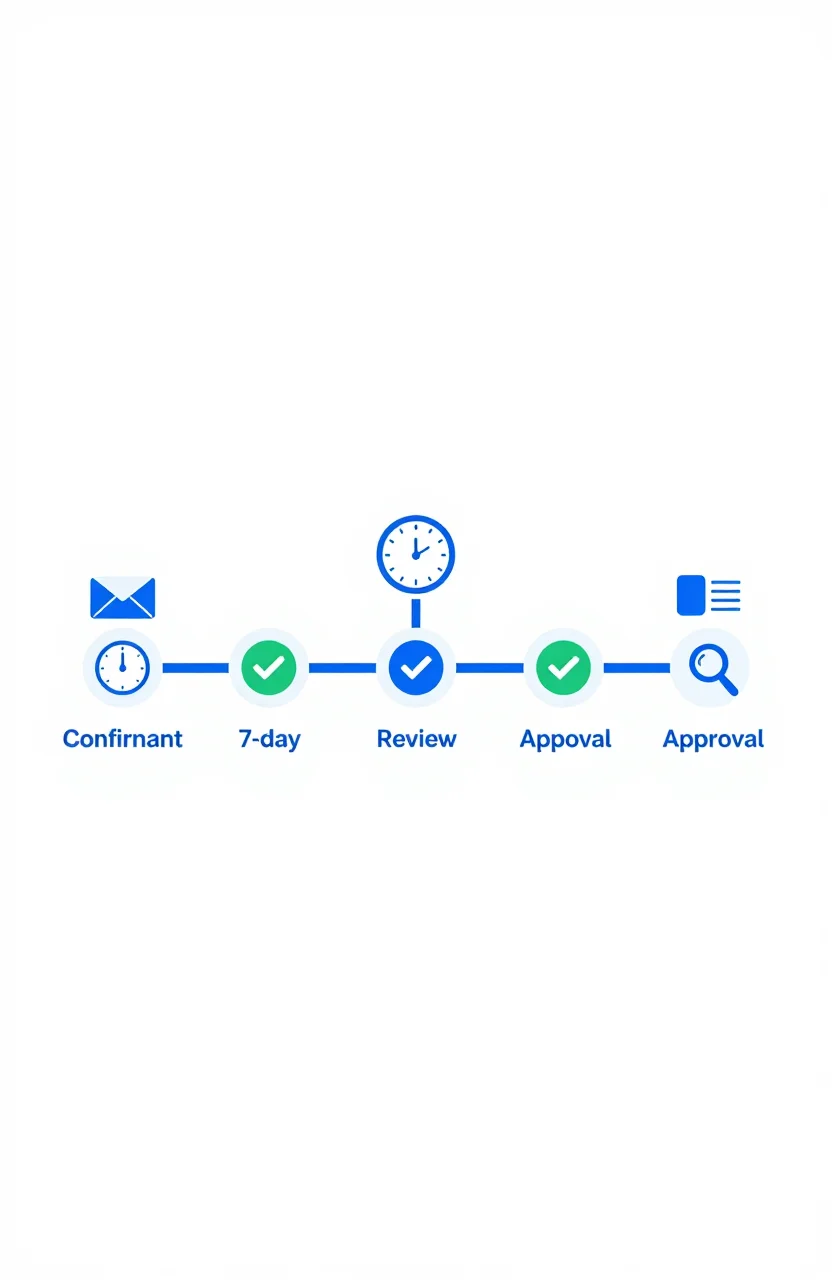
What Happens After You Submit: First 7 Days on a Directory
Most submission guides stop at the submit button. Here's what actually happens in the first 7 days after you submit your site to a directory - moderation, approval, indexation, and what to check.
Michel Duar

Should You List Multiple Projects Under One Account?
Managing more than one project raises a practical question: one account or several? The answer depends on your situation, but the considerations are consistent across most directory platforms.
Michel Duar
Why Directory Leaderboards Still Drive Discovery Clicks
Directory leaderboards still drive discovery because people use ranked lists to shortlist projects fast. Learn why that human behavior creates clicks and how to earn them.
Michel Duar

How to Write a ShowMySites Listing That Wins the Click
A ShowMySites listing has a few seconds to win a cold click. Here is how to write titles, short descriptions, and field details that convert skimmers without sounding like slogan soup.
Michel Duar
Personal Website Listings That Don't Look Like Empty Portfolios
Most personal site listings read like blank portfolios. Learn how to write a human listing for the personal website category that makes people click, trust you, and remember what you do.
Michel Duar