
Using Forums and Communities to Validate Your Ideas
 Add ShowMySites to preferred sources
Understanding the Power of Online Communities
Online communities and forums are not just platforms for casual discussion—they are powerful tools for validating ideas and gaining insights from real people. These spaces gather individuals with diverse experiences, knowledge, and perspectives, making them ideal for testing concepts before investing time or money.
One of the main advantages of online communities is the ability to access niche expertise. Whether your idea targets a specific industry, hobby, or demographic, there is likely a forum or group where passionate members can provide informed feedback. This can help identify potential pitfalls or opportunities that might not be apparent through traditional market research.
Communities also provide an environment for honest and immediate feedback. Unlike surveys or focus groups, forum members often share candid opinions based on personal experience. This feedback can be incredibly valuable for refining your idea, prioritizing features, or understanding what resonates with your target audience.
Another critical aspect is the opportunity to observe trends and conversations over time. By monitoring discussions, you can detect emerging needs, common frustrations, or popular solutions within your niche. This real-time insight allows you to adapt your idea to better fit the market and increase the likelihood of success.
Finally, participating in communities can help you build credibility and relationships. Engaging thoughtfully with members can establish you as a trusted contributor, which increases the willingness of others to provide meaningful feedback and even share your ideas with a broader audience.
Choosing the Right Platforms for Your Idea
Not all online communities are created equal, and selecting the right platform is crucial to get useful and relevant feedback. The first step is to identify where your target audience spends their time. This can include niche forums, social media groups, subreddits, or specialized Q&A sites. Understanding the demographics and interests of each platform helps ensure your idea reaches the right people.
For example, if your concept relates to technology or software development, platforms like Stack Overflow, GitHub discussions, or specialized Slack groups can provide highly knowledgeable insights. For consumer products, Facebook groups, Reddit communities, or product review forums may offer feedback from everyday users with practical experience.
It’s also important to consider the level of engagement on a platform. Active communities where members regularly post, comment, and respond quickly will provide faster and more diverse feedback. Conversely, forums with low activity may result in delayed or limited input, which can slow down your validation process.
Another factor is the community culture and rules. Some platforms encourage detailed discussions, while others favor quick polls or brief comments. Reviewing community guidelines and observing interactions before posting will help you tailor your approach, ensuring your questions are well-received and more likely to generate constructive responses.
Finally, consider platforms that allow for direct interaction with experts or influencers in your field. Engaging with these individuals can provide deeper insights, validate your idea more effectively, and potentially open doors to collaborations or endorsements that extend beyond basic feedback.
Observing Before Engaging
Before jumping into discussions or posting your idea, it is essential to observe the community and understand how it operates. Each forum or group has its own dynamics, communication style, and unwritten rules that can significantly impact how your contributions are received.
Start by reading existing threads and paying attention to the tone of conversations. Notice how members interact with each other, which topics spark the most engagement, and how feedback is typically delivered. This helps you gauge the level of formality, the depth of responses, and the types of questions that resonate with the community.
Observing also allows you to identify key contributors and influencers within the group. These members often set the standard for discussions and can provide highly valuable insights. Understanding their perspectives and interaction patterns can guide you in framing your own questions or posts effectively.
Additionally, spend time noting the common challenges and recurring discussions within the community. This not only informs you about the needs and interests of members but can also help you tailor your idea to address specific pain points, increasing the likelihood of constructive feedback.
By observing first, you reduce the risk of posting inappropriately or receiving unhelpful responses. It gives you the chance to learn the community's culture, refine your approach, and engage in a way that maximizes the value of the feedback you receive.
Engaging Respectfully and Building Rapport
Once you are ready to participate, it’s crucial to engage in a way that fosters trust and positive relationships within the community. Respectful interaction is the foundation for receiving valuable feedback and encourages members to take your ideas seriously.
Start by acknowledging contributions from other members. Commenting on existing posts, thanking people for their insights, or asking follow-up questions demonstrates that you value their expertise and are not just there to promote your own idea. This approach establishes a sense of reciprocity and mutual respect.
When presenting your own questions or ideas, use a tone that is polite and professional, even in casual communities. Avoid demanding feedback or appearing self-promotional, as this can create resistance and reduce engagement. Instead, frame your idea in a way that invites discussion, using phrases like "I’d love to hear your perspective" or "Does anyone have experience with…?"
Building rapport also involves being responsive and participative. Engage with comments on your posts, answer questions from members, and express appreciation for suggestions. Active participation signals that you are genuinely interested in the community and not just using it as a one-way feedback channel.
Finally, remember that consistency over time strengthens relationships. By regularly contributing valuable insights, sharing experiences, and supporting others, you increase your credibility. This makes it more likely that members will offer thoughtful, detailed feedback when you present your ideas.
Ready to showcase your project?
Join thousands of developers and entrepreneurs who have already listed their websites in our directory. Get discovered by potential users and grow your audience.
Free to list • Instant approval • No hidden fees
Frequently Asked Questions
Why should you observe a community before posting?
Why is respectful engagement important?
How do you choose the right platform to validate an idea?
Related articles

When Your Directory Listing Gets Rejected (and How to Resubmit Cleanly)
A rejection is usually a punch list, not a dead end. Here is how to decode the message, fix the listing, and resubmit cleanly on ShowMySites.
 Michel Duar

How to Climb a Directory Leaderboard Without Gaming the System
Want to climb a directory leaderboard the right way? Fix your listing, pick a fair lane, earn real engagement, and run a weekly rhythm that compounds without fake votes.
Michel Duar

Choose a Username That Helps Discovery (Not Just Looks Cool)
Your directory username is more than a nickname. Learn how to pick a handle people can find, pronounce, and share so discovery does not die at signup.
Michel Duar

Mobile App Directory Listings: What Founders Get Wrong
Mobile app directory listings fail when they borrow website habits. Fix store links, device screenshots, and category traps before you submit.
Michel Duar
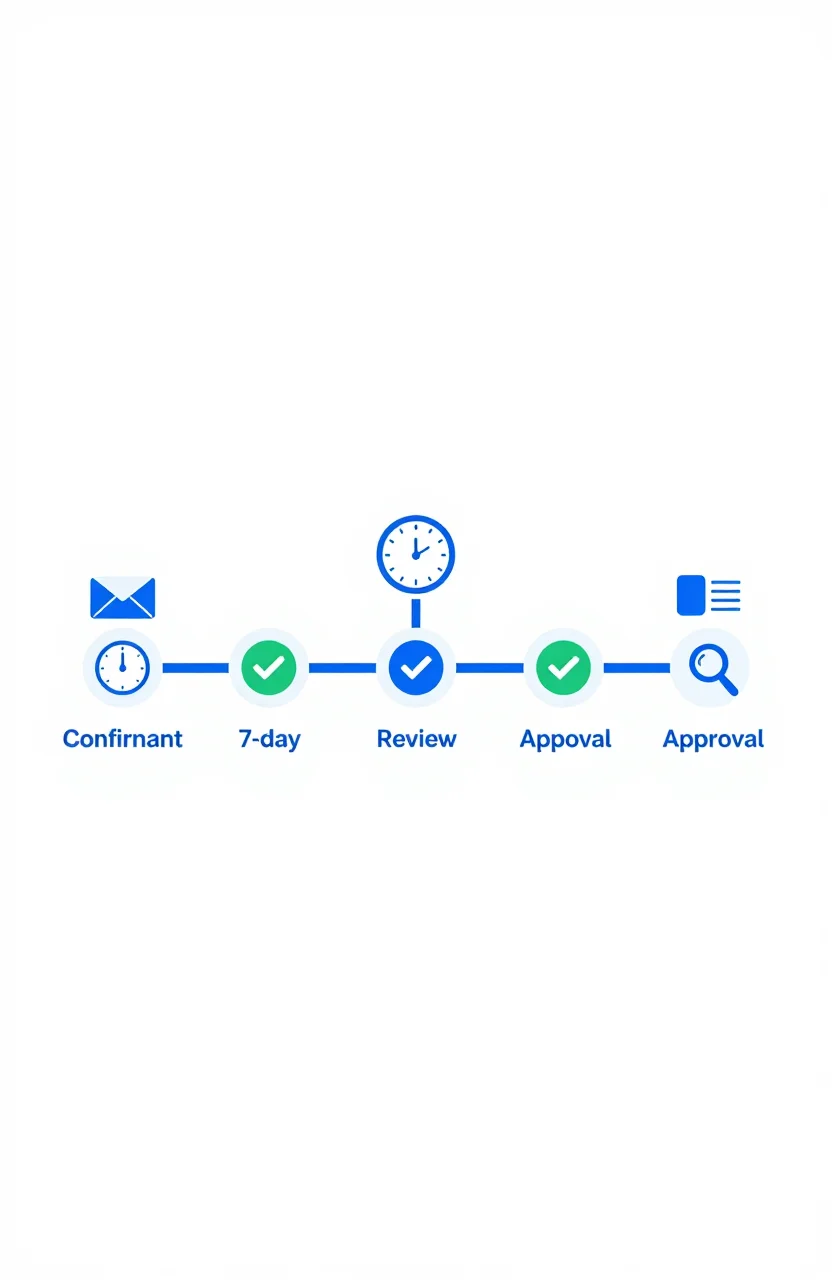
What Happens After You Submit: First 7 Days on a Directory
Most submission guides stop at the submit button. Here's what actually happens in the first 7 days after you submit your site to a directory - moderation, approval, indexation, and what to check.
Michel Duar

Should You List Multiple Projects Under One Account?
Managing more than one project raises a practical question: one account or several? The answer depends on your situation, but the considerations are consistent across most directory platforms.
Michel Duar
Why Directory Leaderboards Still Drive Discovery Clicks
Directory leaderboards still drive discovery because people use ranked lists to shortlist projects fast. Learn why that human behavior creates clicks and how to earn them.
Michel Duar

How to Write a ShowMySites Listing That Wins the Click
A ShowMySites listing has a few seconds to win a cold click. Here is how to write titles, short descriptions, and field details that convert skimmers without sounding like slogan soup.
Michel Duar

Personal Website Listings That Don't Look Like Empty Portfolios
Most personal site listings read like blank portfolios. Learn how to write a human listing for the personal website category that makes people click, trust you, and remember what you do.
Michel Duar